
Research Project:
Decolonizing Settler States
Decolonizing Settler States:
Unravelling Systemic Blockages to Indigenous Rights in State Institutions and Civil Society
Despite Canada's UN Declaration on the Rights of Indigenous Peoples Act (2021), meaningful implementation remains elusive. The Decolonizing Settler States responds to the persistent gap between the recognition of Indigenous rights in international instruments such as the UN Declaration on the Rights of Indigenous Peoples (“the UN Declaration”) and the uneven implementation of these rights in practice. Despite growing international consensus on the importance of Indigenous self-determination, land rights, and free, prior, and informed consent, settler state institutions continue to impose systemic blockages that undermine Indigenous governance and limit the transformative potential of the UN Declaration.
At the same time, Indigenous Peoples themselves are innovating powerful approaches to rights implementation, drawing on their own laws, traditions, and political strategies. Yet these efforts are often under-documented, insufficiently shared across regions, or overlooked in academic and policy debates. The project therefore set out to bridge these gaps by bringing community-based experiences into conversation with academic research and international policy processes, ensuring that Indigenous voices guide both scholarship and practice.
This project is supported by the
Social Sciences and Humanities Research Council’s Partnership Development Grant (2021-2025).
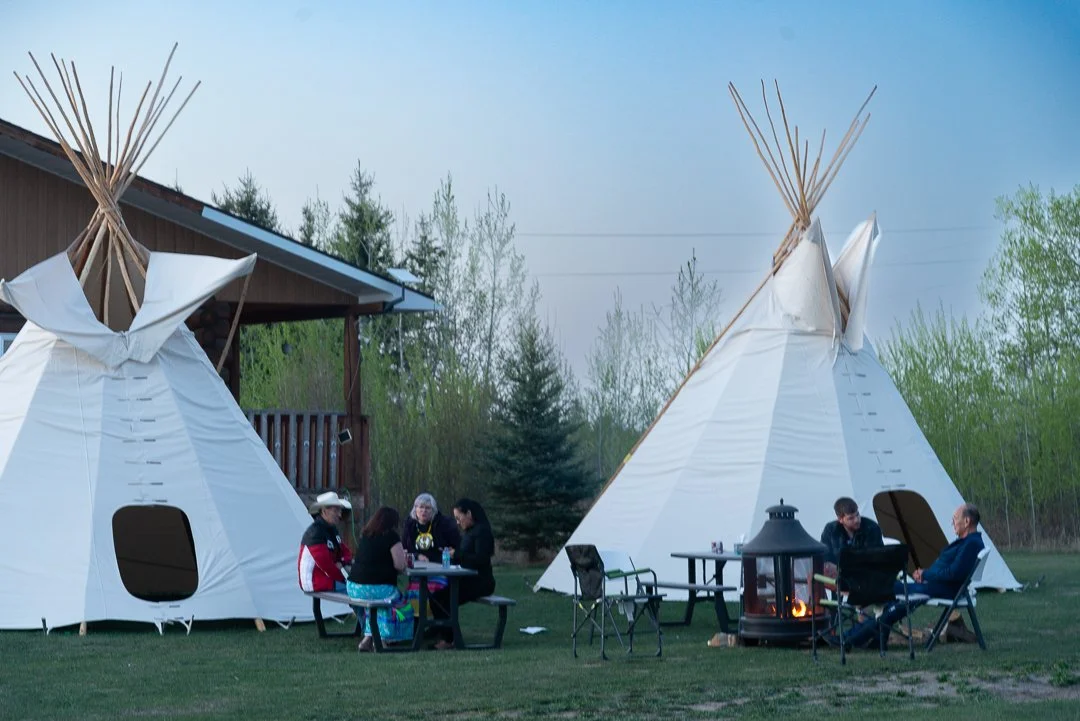
Maskwacis, May 2023. Photo: Jeremy Patzer.
Who We Are
Our partners, our team, and our governance.
About the Decolonizing Settler States Project
Through community engagements across Canada (Haida Gwaii, Kahnawà:ke, Kanehsatà:ke, Samson Cree Nation), at UN meetings in New York and Geneva, and through workshops in Sápmi and Aotearoa New Zealand, the PDG systematically documented what Indigenous Peoples themselves identify as necessary for meaningful implementation of the UN Declaration on the Rights of Indigenous Peoples. The consistent message is that Indigenous Peoples need practical monitoring and accountability tools, governance and legal resources, intergenerational educational supports that embed rights knowledge across generations; culturally grounded policy frameworks that reflect diverse Indigenous governance approaches, and stronger linkages between domestic implementation work and international Indigenous diplomacy.
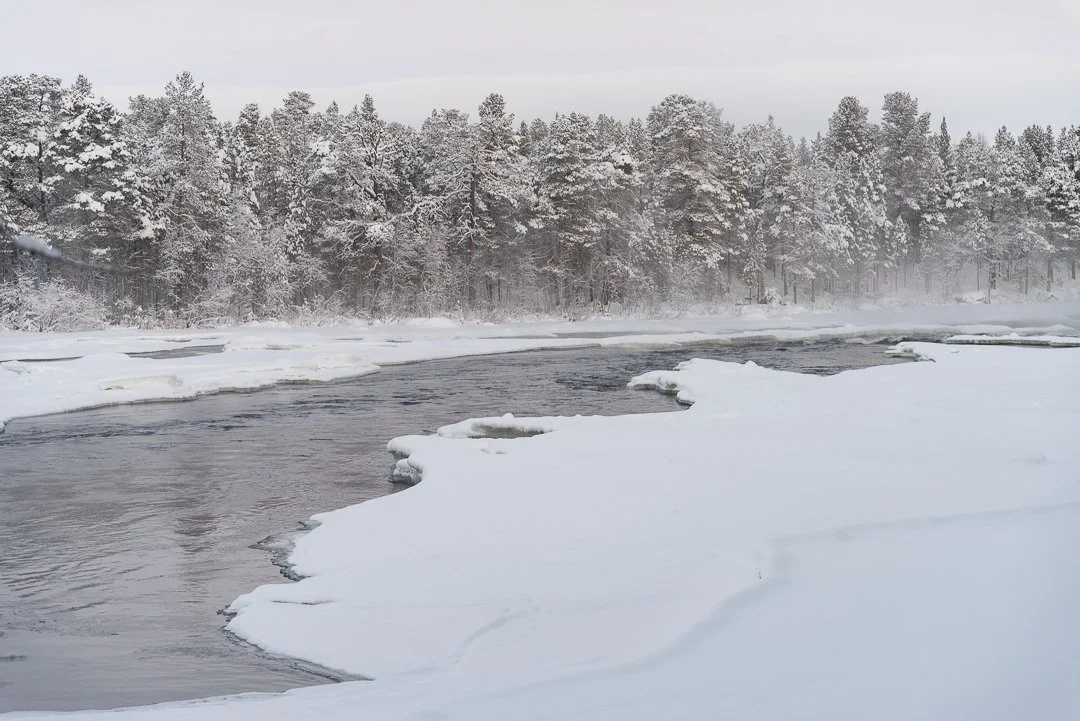
Sápmi, December 2023. Photo: Jeremy Patzer.
Header: Haida Gwaii, January 2023. Photo: Jeremy Patzer.