Workshops
Sápmi Workshop: Politics, Policy and Practice (December 2023)

Tāmaki Makaurau / Auckland Workshop (December 2024)



Objective:
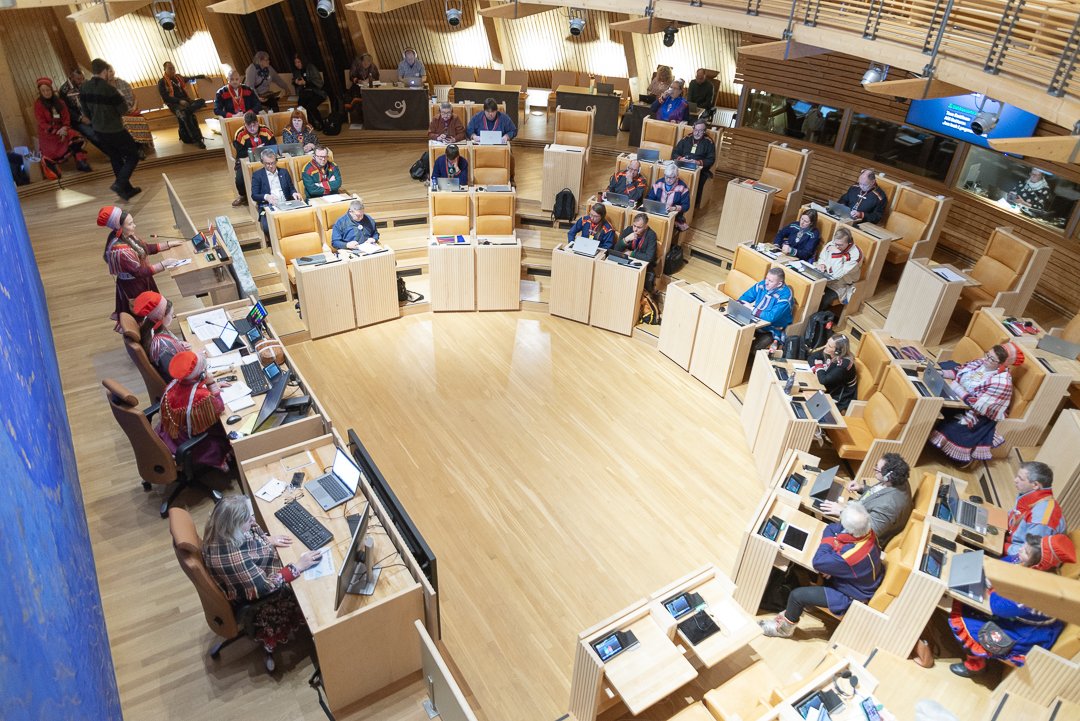
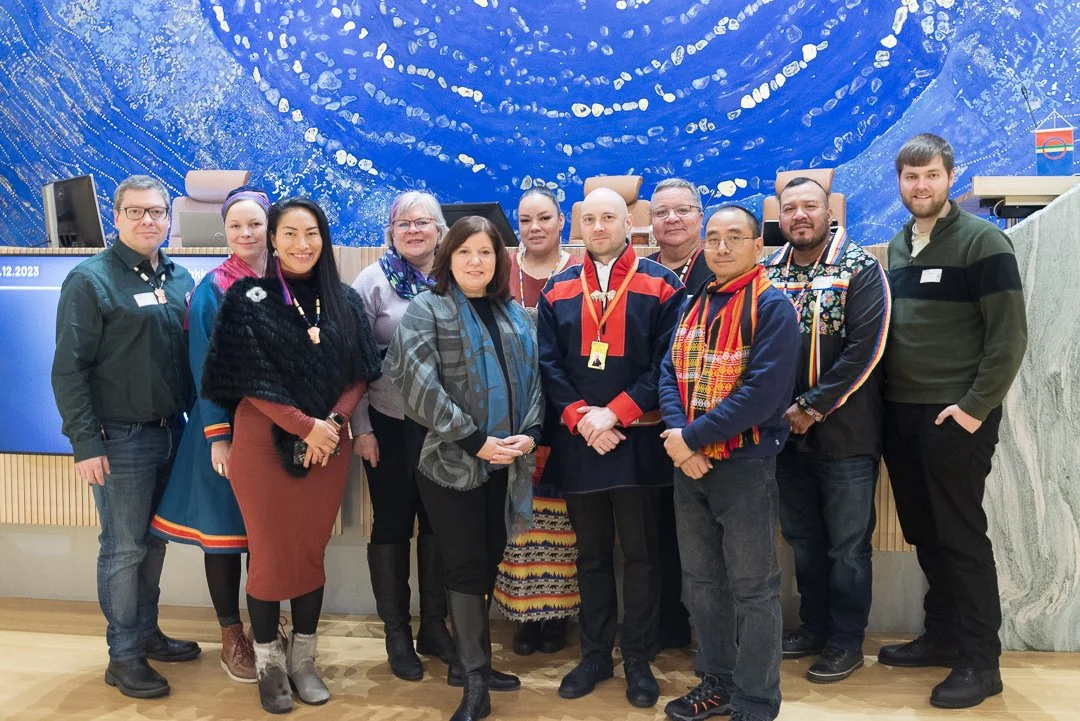
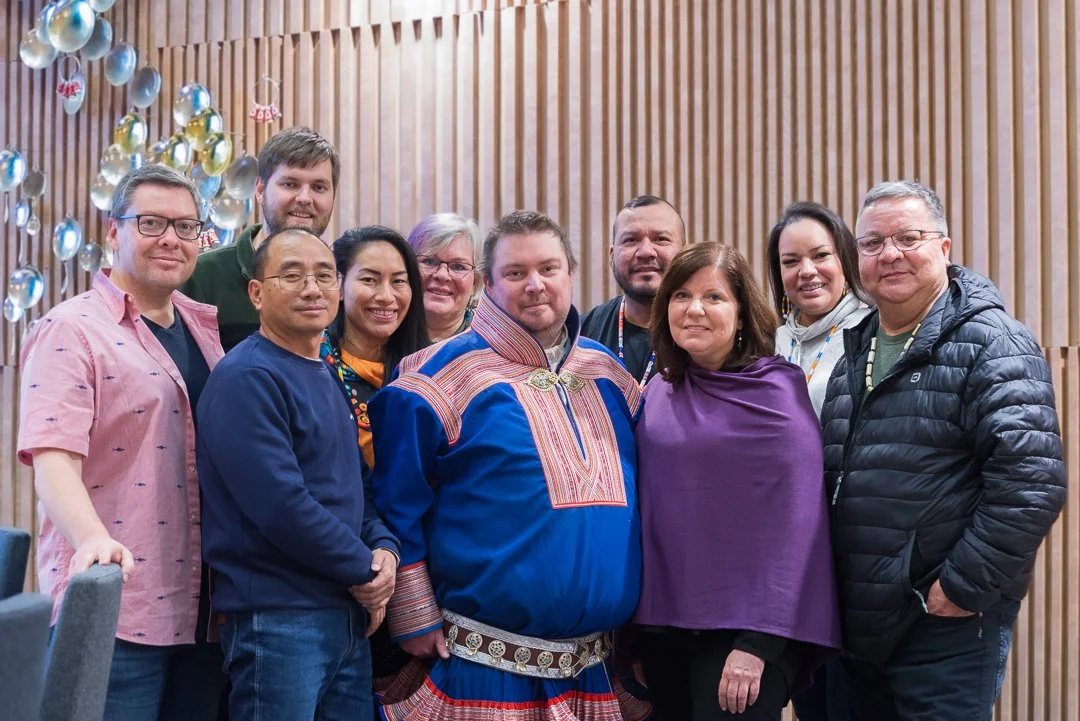
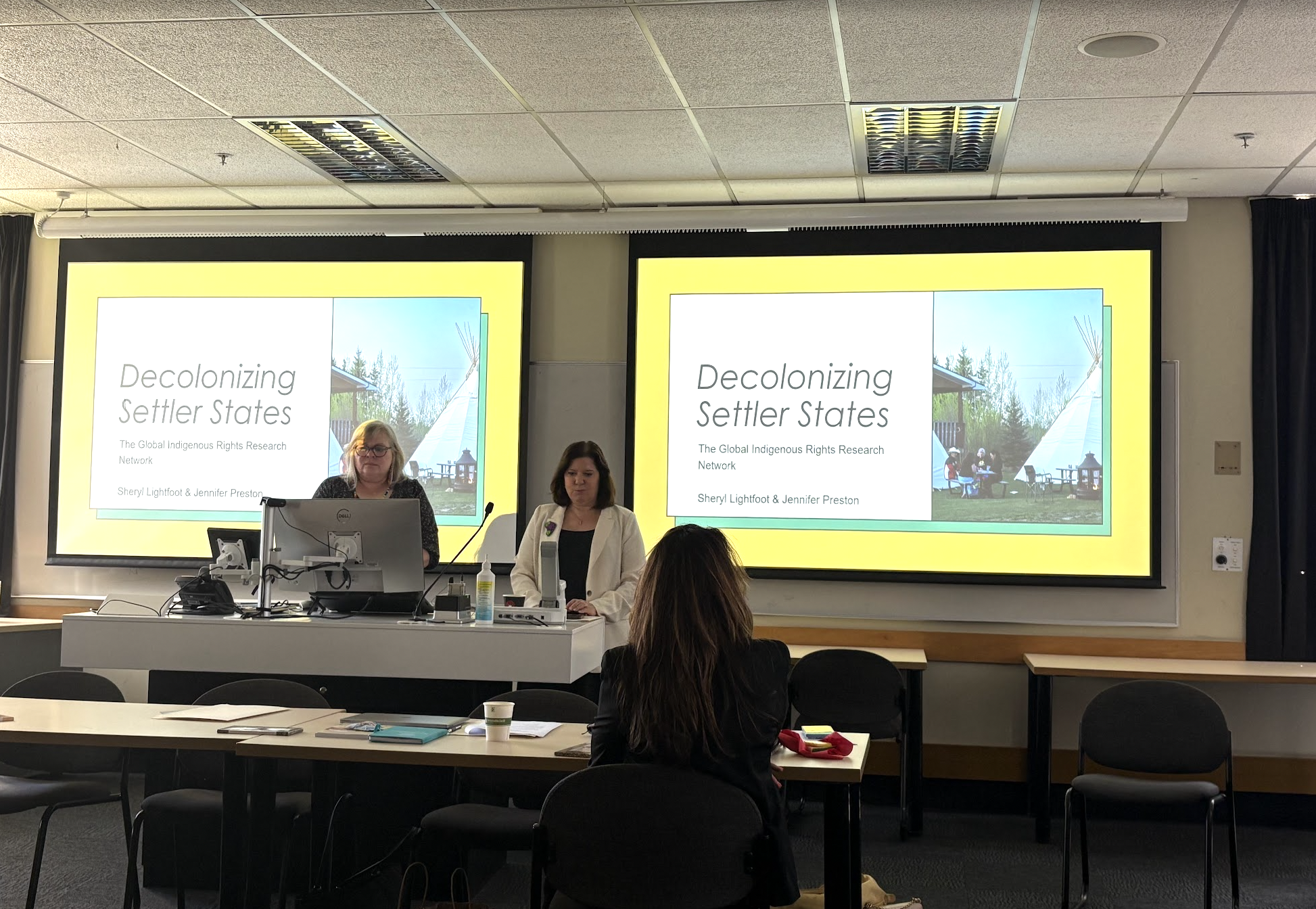
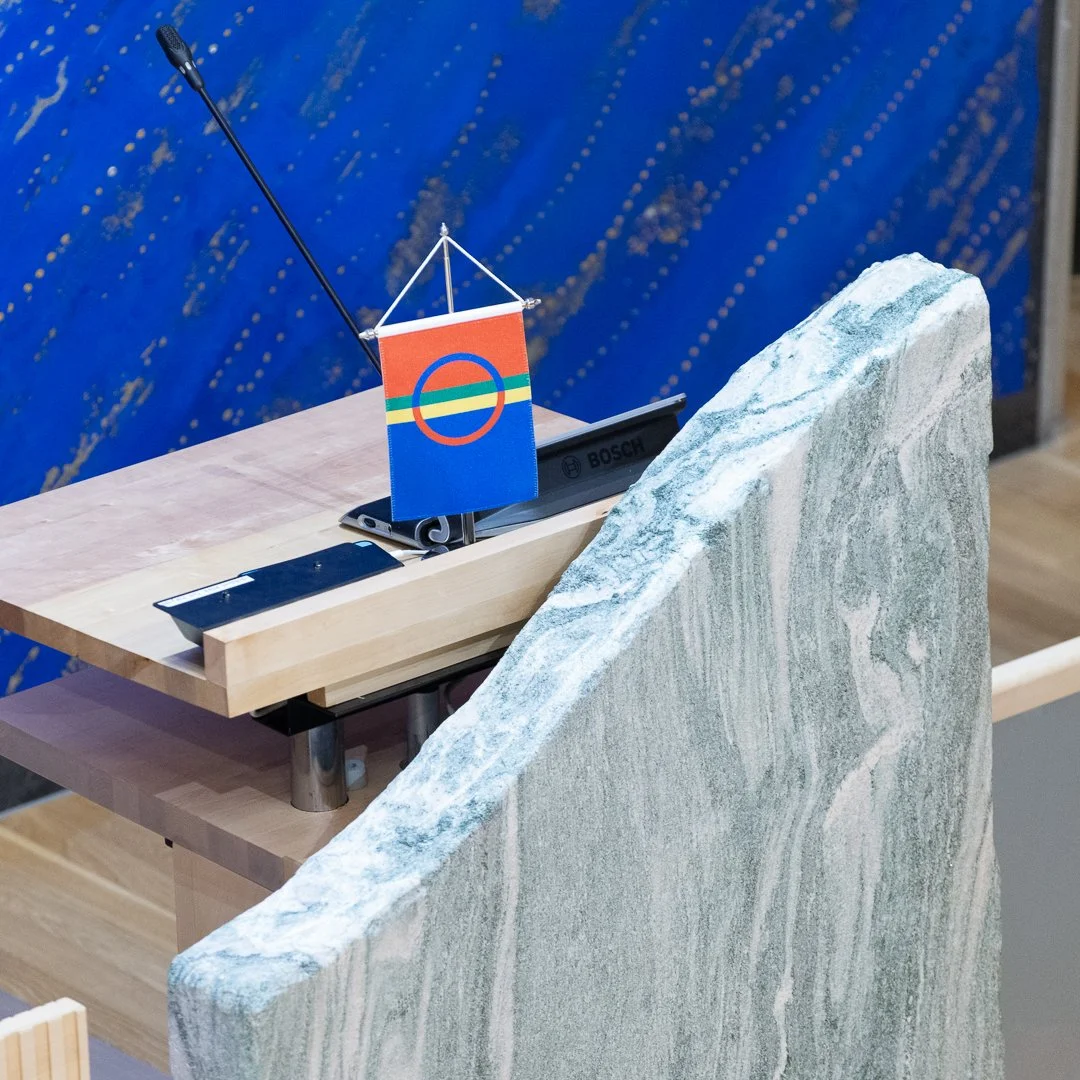
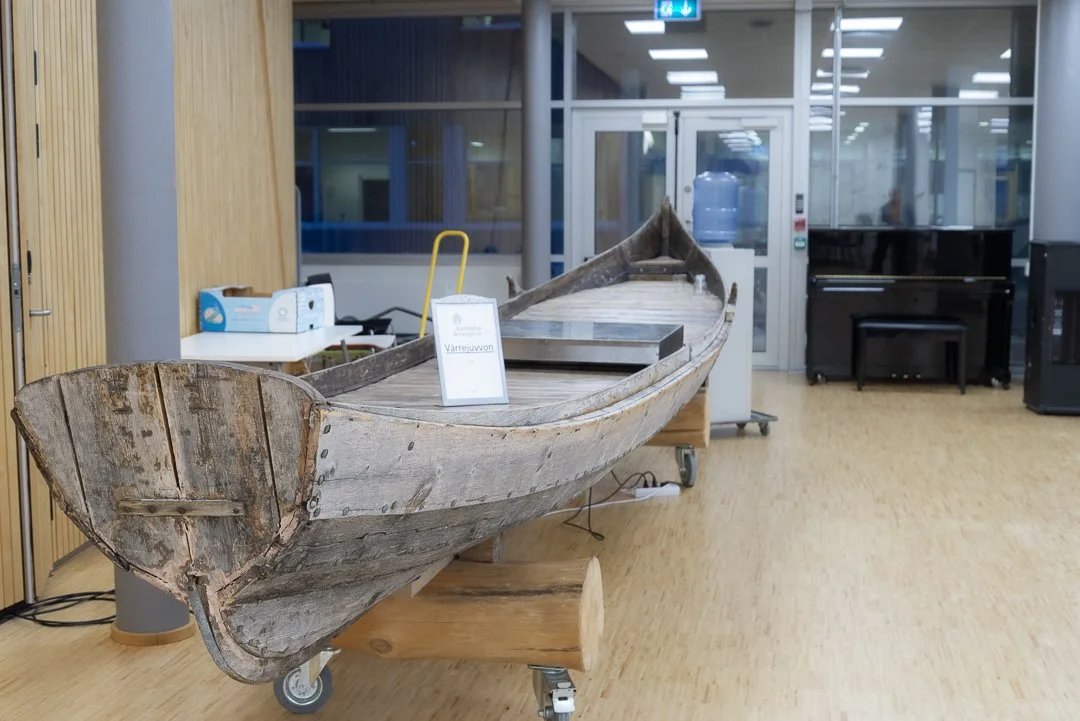
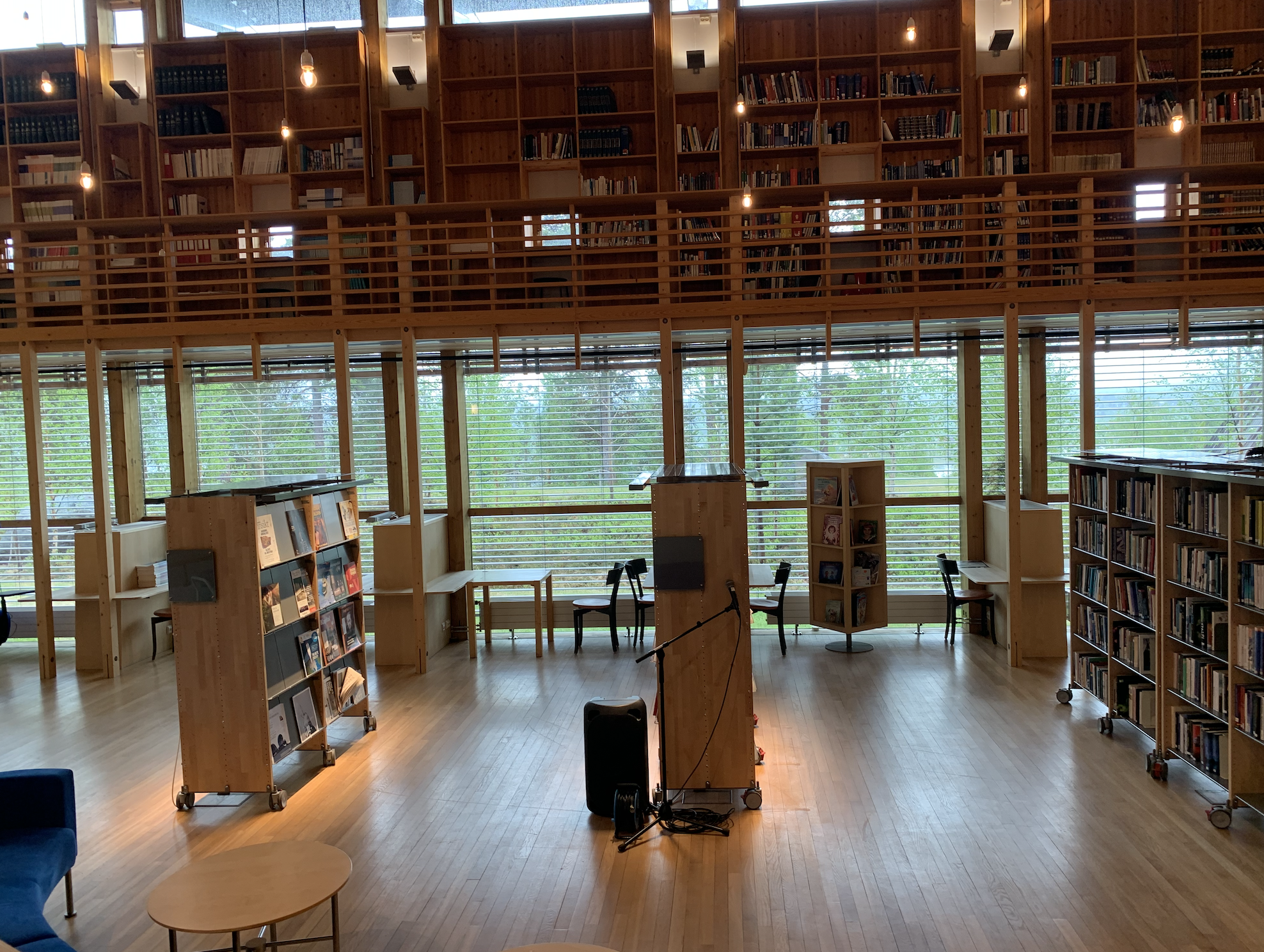
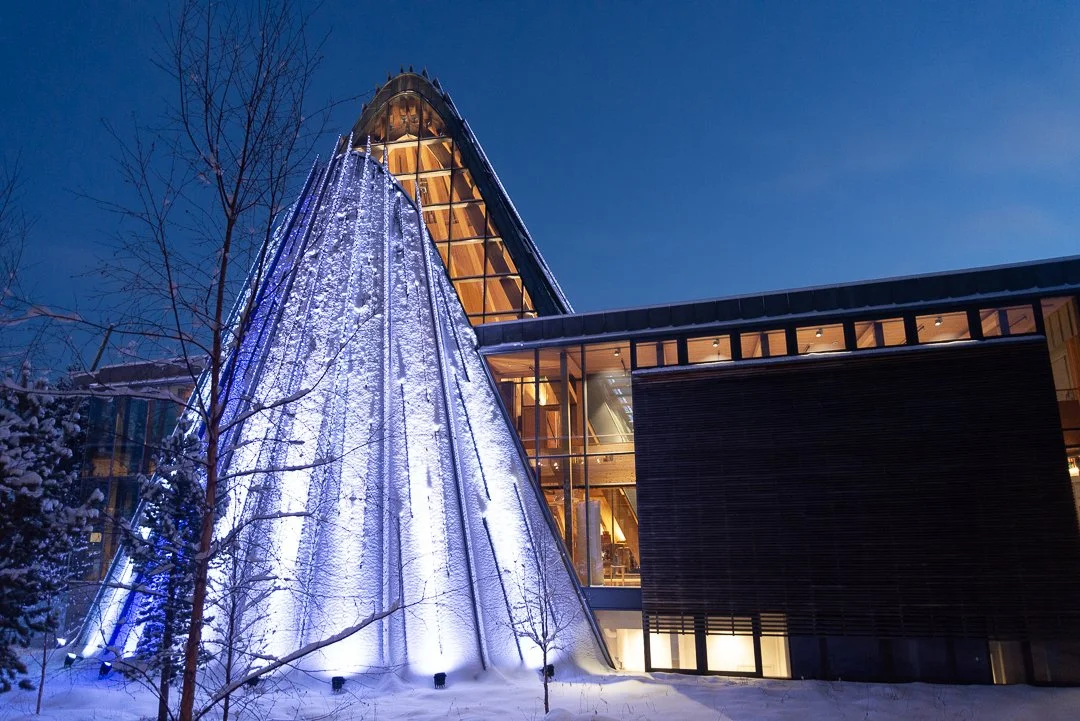
This two-day workshop, held at Sámi Allaskuvla in Kautokeino, Norway was designed to share knowledge between the research team and the Sámi people on experiences with UNDRIP implementation, with a specific focus on politics, policy and practice. It provided a forum for the research team and Sámi participants to share experiences and articulate challenges faced within domestic legal and political systems and to identify opportunities for international advocacy.
The research team invited one external participant from an Australian university as a potential new member of the research network in future work.
The research team also paid an official visit to the Sámi Parliament in Finland in Inari, Finland and attended a plenary session of the Sámi Parliament in Norway in Karasjok, Norway.
Participants and Community Leads:
Academic lead for the workshop: Rauna Kuokkanen
Attendees included Sámi educators, lawyers and legal scholars, a representative from a reindeer herding organization, the Saami Council and the Sámi Parliament.
From the Global Indigenous Rights Network: Sheryl Lightfoot, Jennifer Preston, Jeremy Patzer, Laurie Buffalo, Tyrone Erminskin, Kirby Muldoe, Jeremey Vander Hoek
From the Australian National University: Binota Moy Dhamai
Engagement Summary:
Discussions over the two-day workshop, focused on the overall theme “Politics, Policy and Practice” revealed both systemic challenges that continue to block full realization of Sámi rights and the good practices emerging from communities, institutions, and transnational exchanges.
Participants noted that full implementation of the UN Declaration faces many challenges. States are inclined to resist recognizing Indigenous governance structures, encroach on land rights, and avoid fulfilling obligations like free, prior, and informed consent. Even when legal victories occur, governments often delay or weaken their implementation. Indigenous Peoples continue to push for implementation through legal action, activism, and alignment with international conventions like ILO 169. Community-led efforts, such as land-use agreements and localized translations of the Declaration, have been effective tools for asserting rights. Participants emphasize that Indigenous governance structures must be strengthened and resourced, as implementation is not a passive process but requires persistent advocacy and collective action.
States will often claim to be in alignment with or using the Declaration internationally, but veer away from that reality on the ground. Participants shared that the Sámi have been drawn into the Norwegian state system, which presents both challenges and opportunities. There are examples where this cooperation has weakened local community governance structures. Civil society organizations and non-governmental organizations focused on Sámi rights often lose talented staff to state-run institutions, where there is a greater concentration of resources and influence.
Holding states accountable is crucial for implementation of the Declaration, as states will never fully comply or commit wholeheartedly to implementation of their own volition. This requires strong monitoring mechanisms. Sámi participants hosted a conference with the first special rapporteur on implementation of rights, and he found that his recommendations to states didn’t go anywhere. The primary conclusion was that Indigenous rights implementation must work from the community level up, meaning Indigenous Peoples and their allies must do this work.
Recommendations for the Network:
Share comparative research on how the UN Declaration has been used in courts globally, providing case digests and analysis for Sámi legal advocates.
Convene transnational dialogues between Sámi and other Indigenous litigators to exchange strategies on embedding UNDRIP in domestic legal systems.
Document and analyze examples of Indigenous parliaments or councils elsewhere that have successfully leveraged the UN Declaration in policy debates, to inform Sámi strategies.
Provide policy briefs for Sámi institutions that translate international standards into arguments that can be used in parliamentary or intergovernmental contexts.
Map international examples of Indigenous responses to “green energy” projects, highlighting how FPIC has been applied in practice.
Build connections between Sámi communities and Indigenous climate justice movements worldwide, enabling solidarity and joint advocacy.
Support the design of a Sámi-led monitoring tool by sharing methodologies from other regions (e.g., Indigenous Navigator, Maskwacis guide).
Assist in developing a cross-border database that collates court decisions, policies, and state commitments related to Sámi rights.
Develop teaching modules on UNDRIP implementation that can be adapted for Sámi schools and universities.
Facilitate exchanges between Sámi youth and Indigenous youth in other regions to share experiences of rights education and advocacy.
Document case studies (e.g., Haida, Gitanyow) and adapt them into comparative resources for Sámi communities exploring land use and governance planning.
Organize workshops that bring together Sámi leaders with other Indigenous governance innovators to co-develop strategies.
Collaborate with Sámi partners to co-draft a sample UN Declaration implementation guide, drawing on models already developed in other Indigenous communities.
Produce comparative analyses of how Indigenous language and education rights are framed in law across countries, providing reference points for advocacy.
Act as a bridge by facilitating ongoing exchanges between Sámi leaders and Indigenous advocates from Canada, Aotearoa, and Asia.
Support the documentation and international dissemination of Sámi experiences, ensuring they inform global debates at the UN and beyond.
Sápmi Informal Dialogue (June 2024)
Objective:
The Sápmi Informal Dialogue was convened to explore Indigenous-led pathways for the realization of Sámi rights across Norway, Sweden, and Finland, particularly in the context of implementing the UN Declaration and addressing cross-border governance challenges. The focus was on building bridges between Sámi communities, state institutions, and transnational Indigenous networks.
Participants and Community Leads:
A small group of Sámi Parliamentarians, lawyers and experts.
From the University of British Columbia: Sheryl Lightfoot with research assistants Claire Sarson and Rylan McCallum.
Engagement Summary:
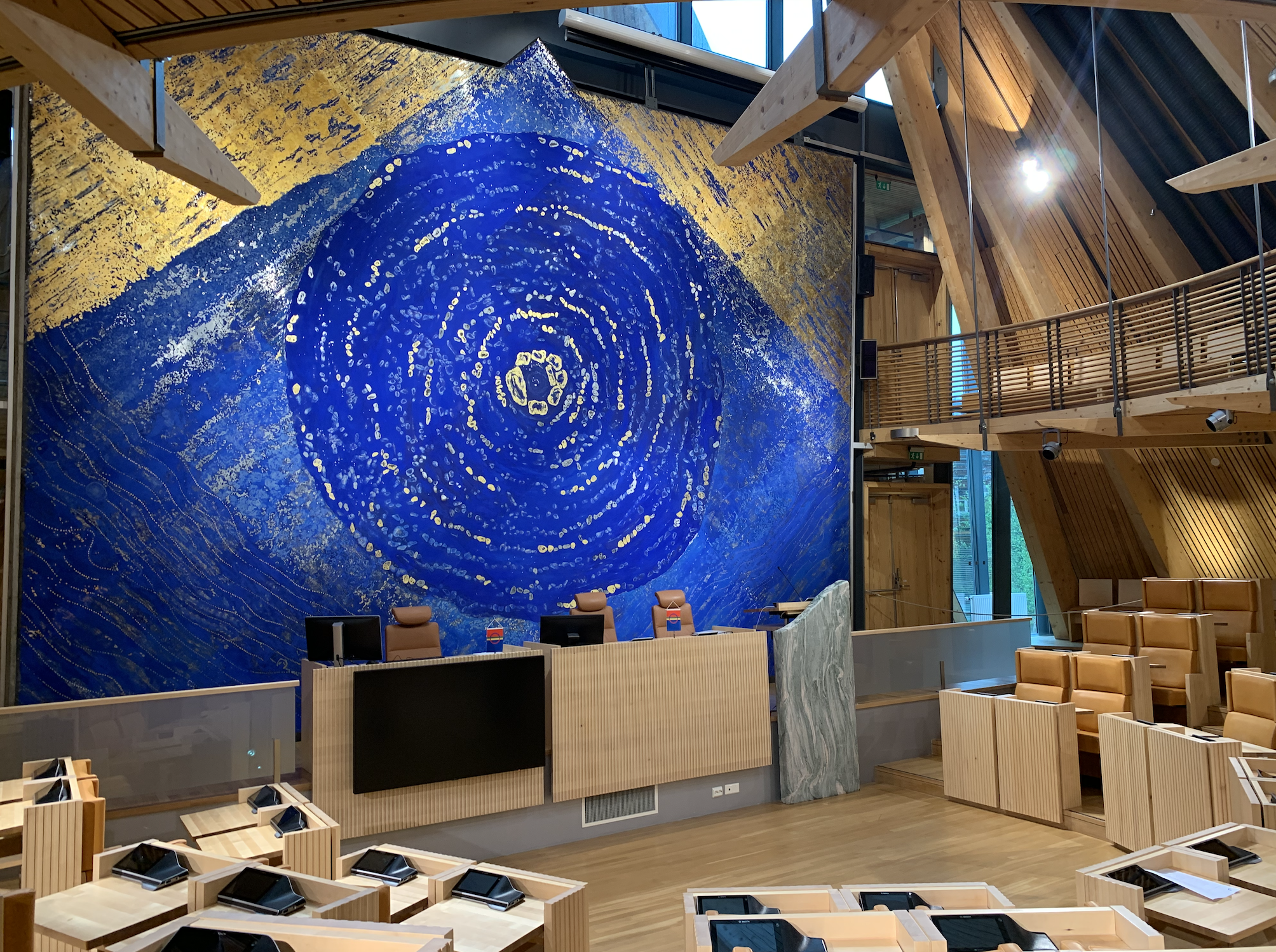
The June 2024 Sápmi Informal Dialogue, held at Sámi University College in Guovdageaidnu, provided a more conversational space than the 2023 workshop, focusing on lived experiences of UN Declaration implementation across Norway, Sweden, and Finland.
Participants were asked to consider how the UN Declaration is perceived and used on the ground, how UN Treaty Bodies are utilised, gaps and strengths in constitutional recognition of Indigenous rights and use of the Declaration in courts (or lack thereof).
Recommendations for the Network:
Researchers engaging with the Sámi need to be extremely intentional and committed to the communities they are engaging with. There is widespread research fatigue and lots of recent research has been extremely extractive. The way this project has been done, with ongoing conversations, multiple in-person gatherings over several years and broad reciprocity is a good model for other researchers. Researchers must commit to transparency, and to returning to show what they have done with their data and to discuss outcomes.
Academics should commit to building capacity for Indigenous researchers within their communities, including Sámi youth. This is especially important for Sámi youth, who are small-numbered, located disparately and often face barriers to participation in research and academic work. There needs to be some outside investment in their capacity to do this work.
Evaluations of states and gaps in state policy is helpful, but so is looking at the private sector. Sometimes it appears that the private sector is better engaged with FPIC, for example. A database of best practices would be helpful for others looking to do the same.
Facilitate exchanges between Sámi communities and Indigenous partners abroad to amplify local experiences while sharing comparative good practices, particularly on consultation, FPIC, and climate-related land struggles.
Objective:
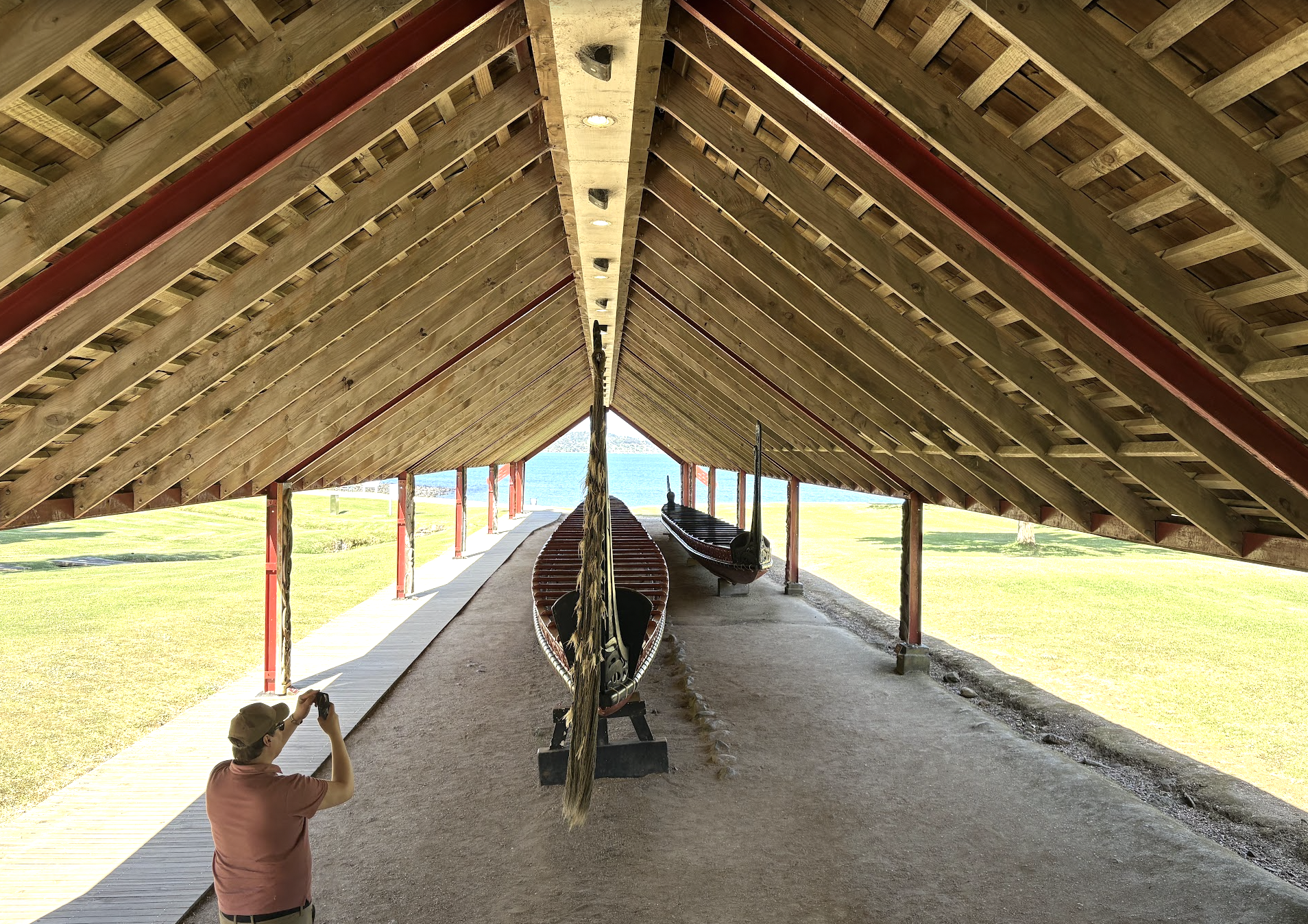
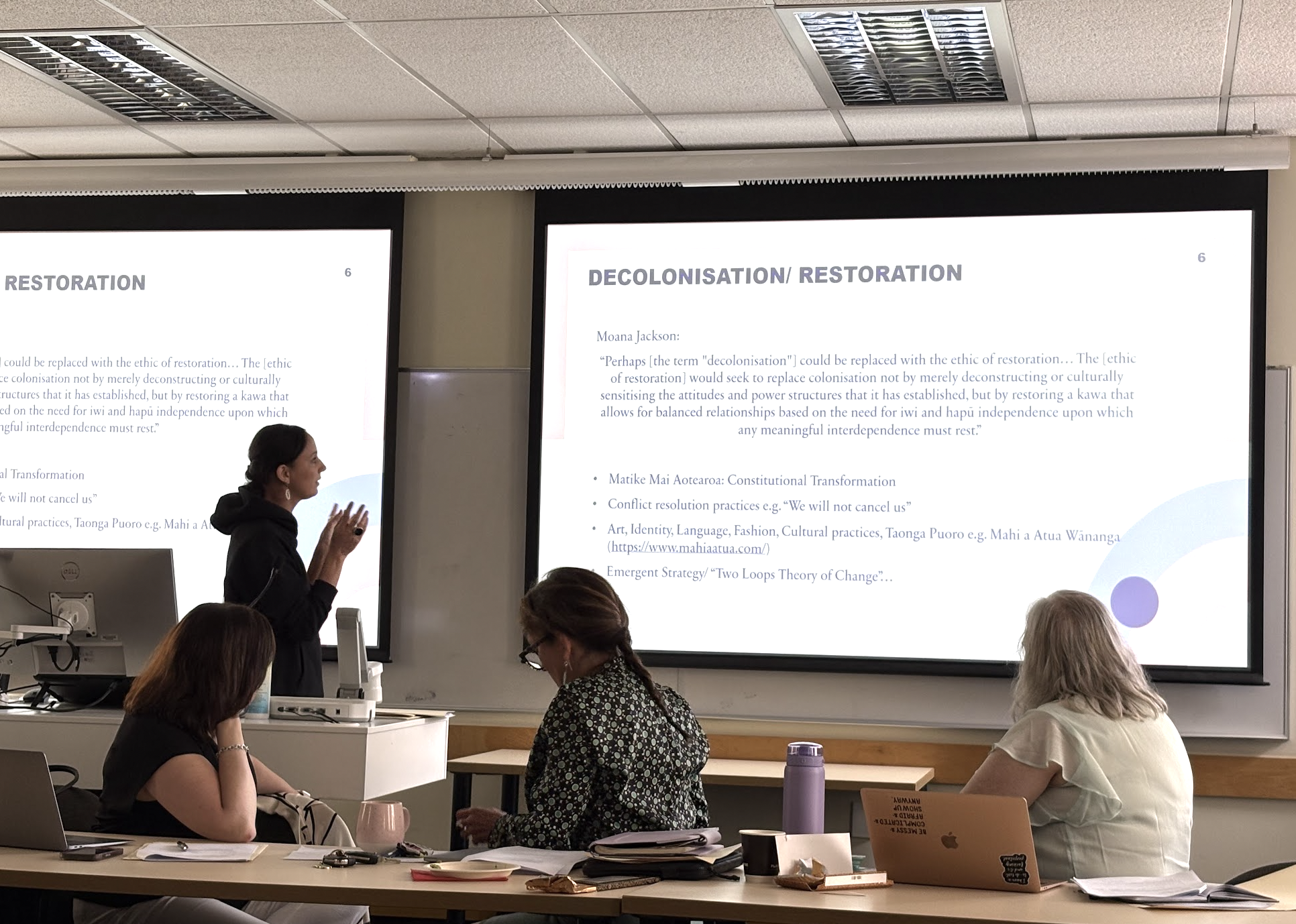
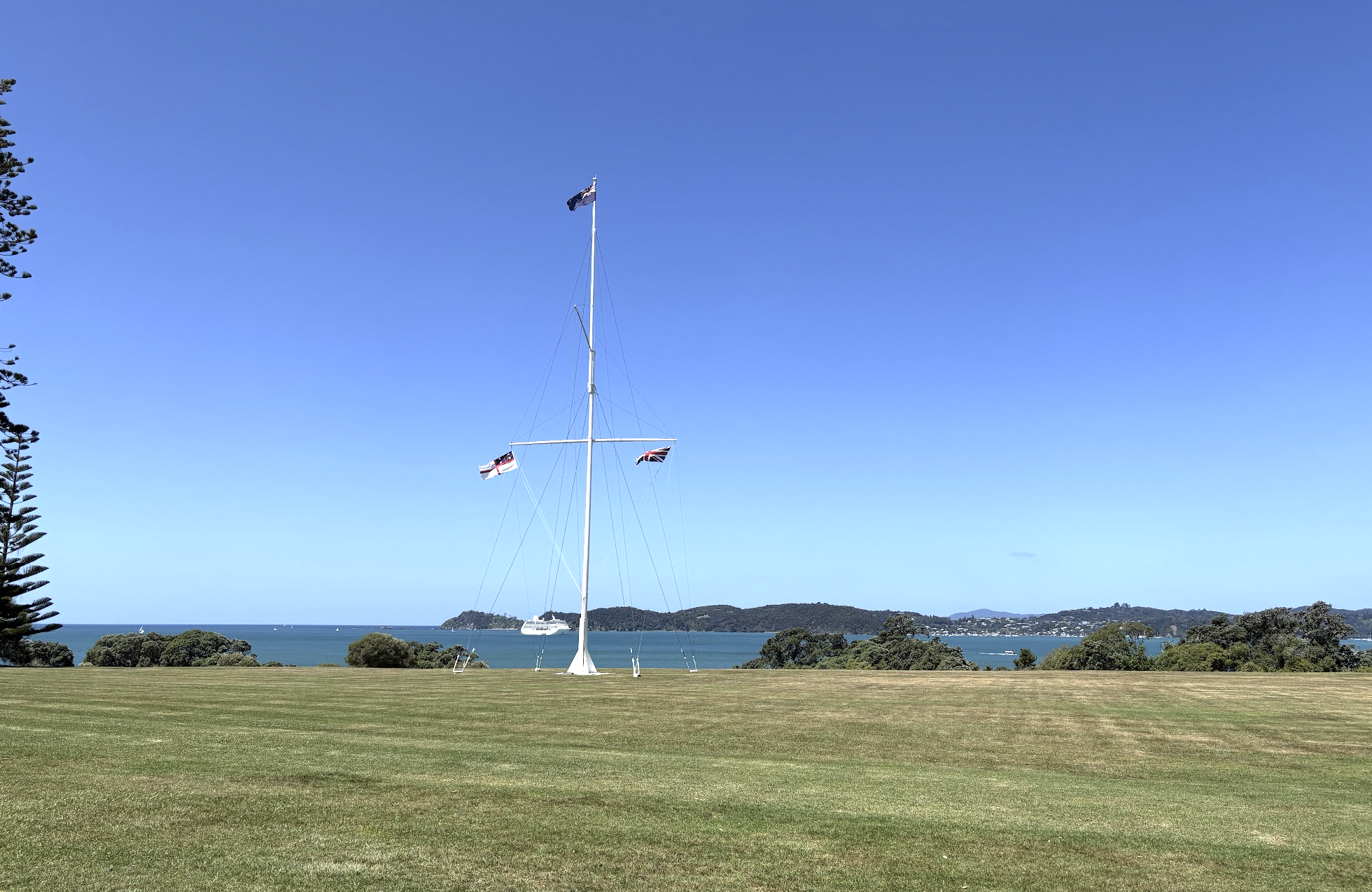
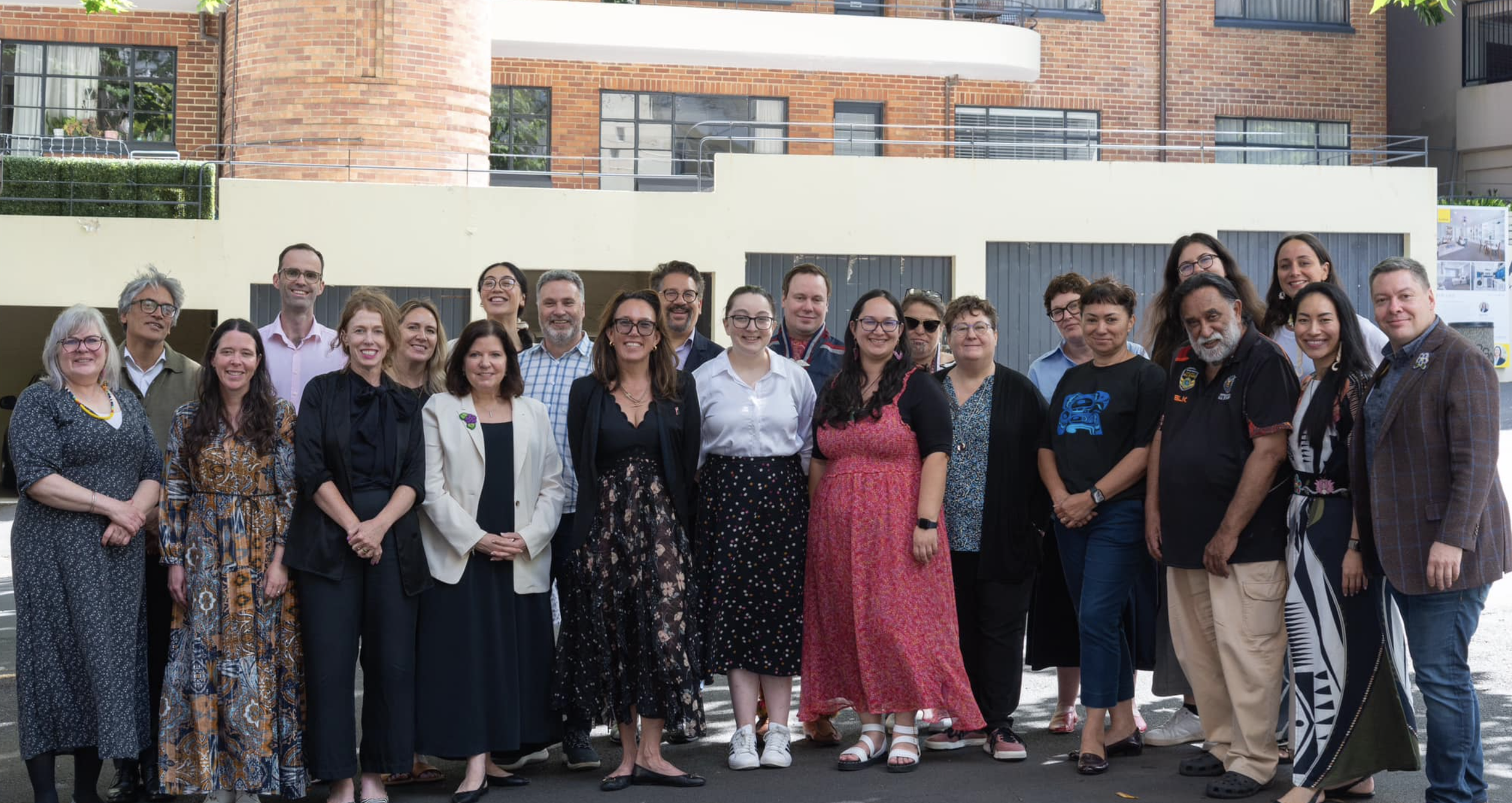
The Auckland workshop sought to connect Indigenous leaders, practitioners, and scholars from Aotearoa with global Indigenous rights movements, under the theme of “Laws and Constitutions.”
Participants and Community Leads:
Māori leaders from iwi and hapū, representatives of Māori development organizations, and Māori youth advocates.
Indigenous and non-Indigenous academics and advocates from Australia.
Academic leads: Claire Charters (University of Auckland), Carwyn Jones (Victoria University of Wellington), and Maria Bargh (Victoria University of Wellington).
Participants from the Network: Sheryl Lightfoot, Jennifer Preston, Kiera Ladner, Sashia Leung, David MacDonald, Les Malezer, Jeremy Patzer, with research assistant Claire Sarson
From the Saami Council/Sámi Parliament in Norway: Eirik Larsen
Engagement Summary:
Indigenous Peoples, laws and constitutions, exploring the implementation of Indigenous Peoples’ rights around the world, especially under the UN Declaration on the Rights of Indigenous Peoples. The Workshop focused geographically on Canada, the Nordics, Aotearoa New Zealand and Australia.
Participants were advocates and Indigenous researchers from several disciplines and countries, as well as non-Indigenous researchers. The Workshop was designed to build understanding of the challenges faced and strategies employed when implementing Indigenous Peoples’ rights. The Workshop focussed on both meaningful community consultation and collaboration, and knowledge dissemination. The Workshop also supported the development of research relationships between the participants, to enable future work and the global network of Indigenous Peoples’ organizations who gather at the United Nations.
The Workshop consisted of six topics, all centered around the theme of law and constitutions. The six topics facilitated consideration of the use of laws and constitutions to decolonize settler colonial nations, the mobilisation of the UN Declaration in domestic contexts, and Indigenous advocacy for constitutional change.
Recommendations for the Network:
A research hub can serve to:
Act as a monitoring mechanism for Indigenous rights globally and domestically.
Create space for national movements and organizations to connect and cross-fertilize outside of UN spaces, refocusing on cultivating relationships between international Indigenous Peoples.
Keep communication flowing and continuity of work as political will wanes and waxes.
Work in collaboration with other data hubs, including the Harvard Project and Indigenous Navigator.
Participants recommended that a global Indigenous rights research hub:
Be available to Indigenous and non-Indigenous academics, activists and civil society.
Strengthen solidarity by providing barrier-free information about best practices and common challenges globally for Indigenous rights implementation.
Produce resources that are easy to access and utilize as well as scholarly work.
Be inclusive of multivariate methodological approaches, including but not limited to:
Interviews, focus groups, oral history, storytelling and participatory workshops.
Contemporary legal analysis and legal ethnography, particularly regarding rights implementation and legal/governance models.
Policy analysis and international collaboration.
Archival research, particularly regarding treaty-making and implementation.
Environmental scan and global evaluations regarding data systems.
Produce outputs in many forms, including Indigenous research-intensive scholarship, interactive databases, policy briefs, digital toolkits and educational models.
Database(s) maintained by a research hub can include:
Legal cases, legislation, action plans, constitutional recognition, treaties, truth commissions and other constructive agreements.
Promises made by states on Indigenous rights and action taken on realizing those promises.
A focus on land rights, title and self-government, as well as progress on each Article of the Declaration internationally.
Movement on ILO 169, movement on the Declaration, movement on the American Declaration.
Work of the UN treaty bodies, Indigenous governments, national human rights institutions and private corporations.
Shifts in governmental structures, dispute resolution mechanisms, ministries and policies that uphold the Declaration.
Particular areas of interest for the research hub may include:
The use of technology to document, protect and mobilize Indigenous knowledge systems as well as effective ways to design data systems.
Educational and consciousness-building resources for people coming to this learning from all levels: within Indigenous communities, for non-Indigenous civil servants, for educators from early childhood to university, for students of all ages, political leadership, etc. Research will be needed on what kinds of strategies enhance public understanding prior to the development of materials.
Evaluation of how hybrid legal systems incorporate Indigenous legal systems into contemporary governance frameworks, legal personhood and implications for decolonization and how landmark court cases influence the practical recognition of Indigenous rights.
Questions for further interrogation include, but are not limited to:
How do landmark court cases influence the practical recognition of rights?
What educational interventions are most effective in changing public perceptions about Indigenous rights?
What strategies have been most effective for Indigenous Peoples in advancing rights implementation where political will is weak?
What lessons can be drawn from cross-national solidarity movements for advancing Indigenous rights?
What role do private sector actors play in supporting or undermining Indigenous rights?