Research Engagements (January 2023 to May 2023)
Between January and May 2023, members of the Global Indigenous Rights Research Network participated in a number of research engagements in several Indigenous communities to learn how these communities understand and engage with the UN Declaration on the Rights of Indigenous Peoples. We met with leaders both elected and traditional, grass roots activists, educators, legal counsel, social workers, civil servants, students, youth, elders, and others. The perspectives we heard from varied widely, and included those deeply familiar with the Declaration and those who are skeptical of or unfamiliar with it.
Each engagement had at least one community lead, typically a member of the Nation, living in the community, or someone deeply familiar with the community. The community leads organized meetings for the team and advised on particulars of each community. Small groups of research team members attended the four engagements, on a rotational basis.
Haida Gwaii (January 2–7, 2023)
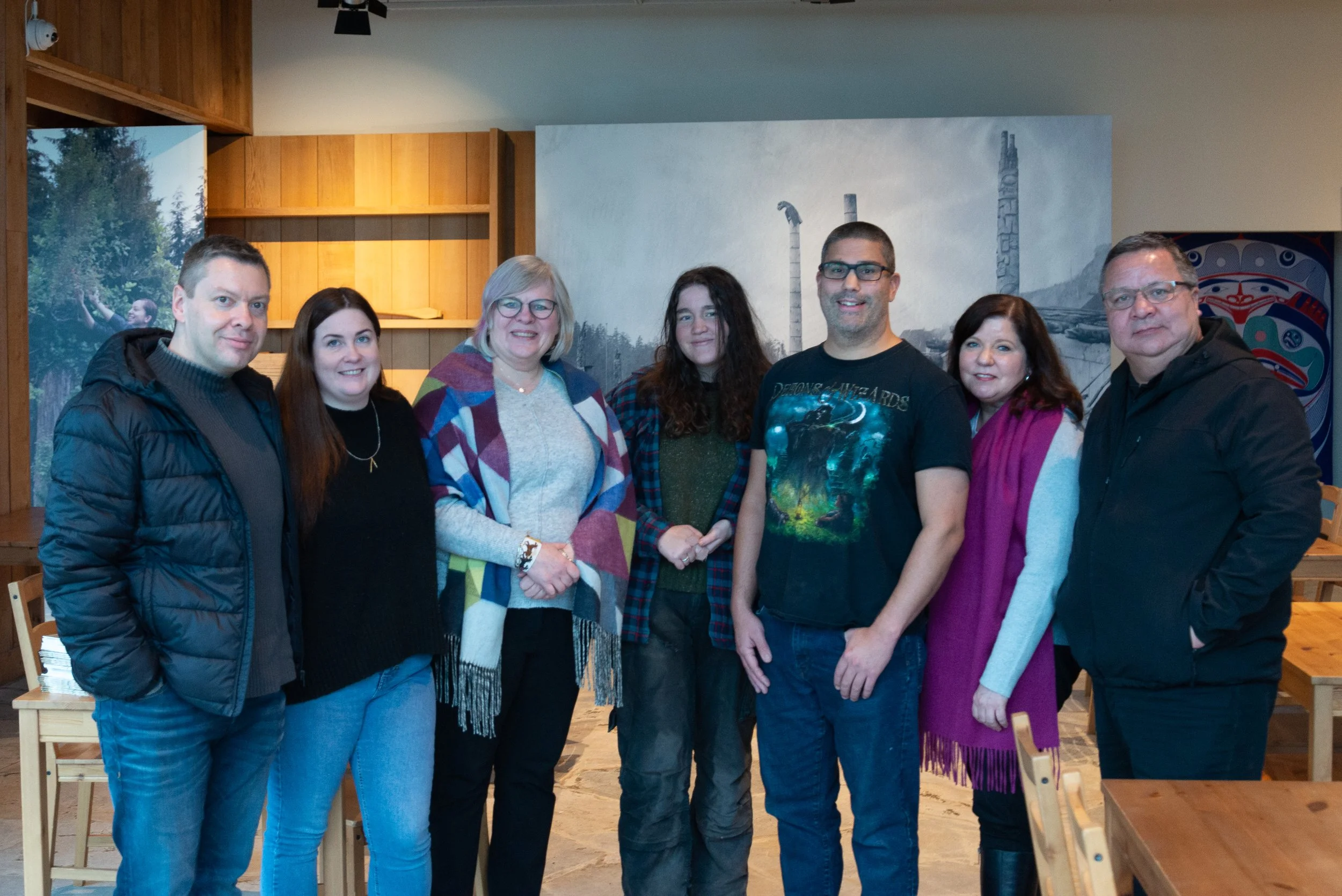
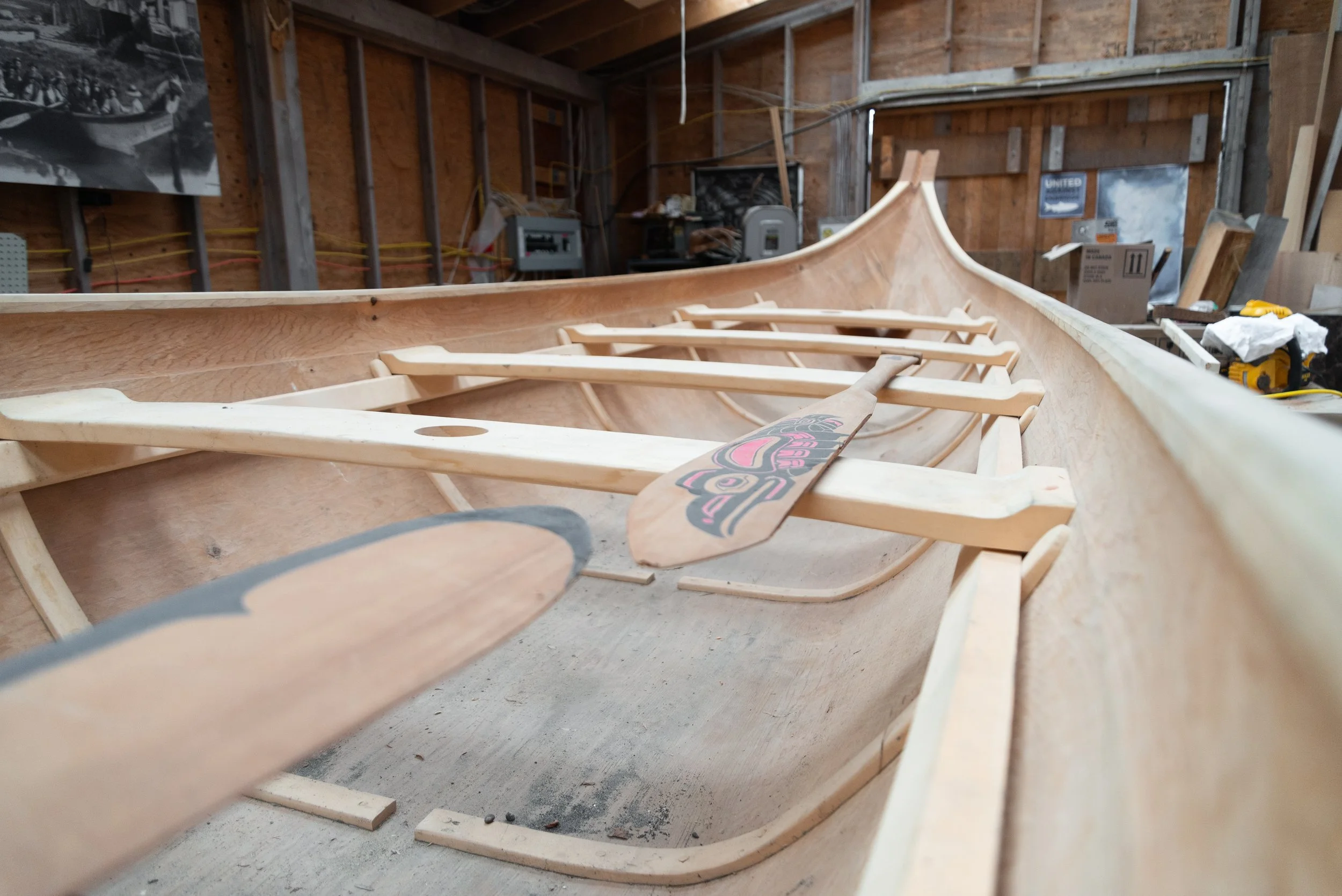
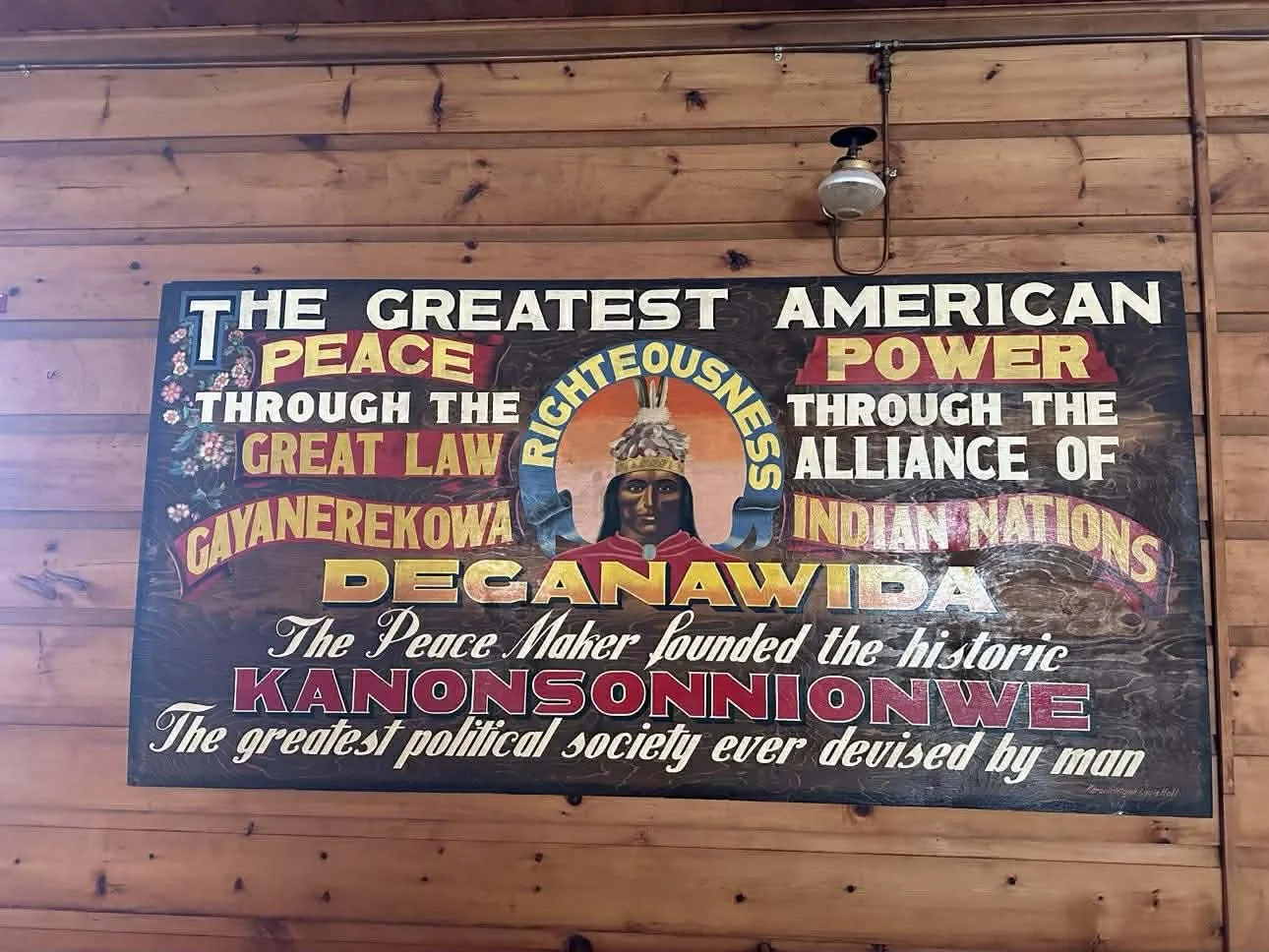
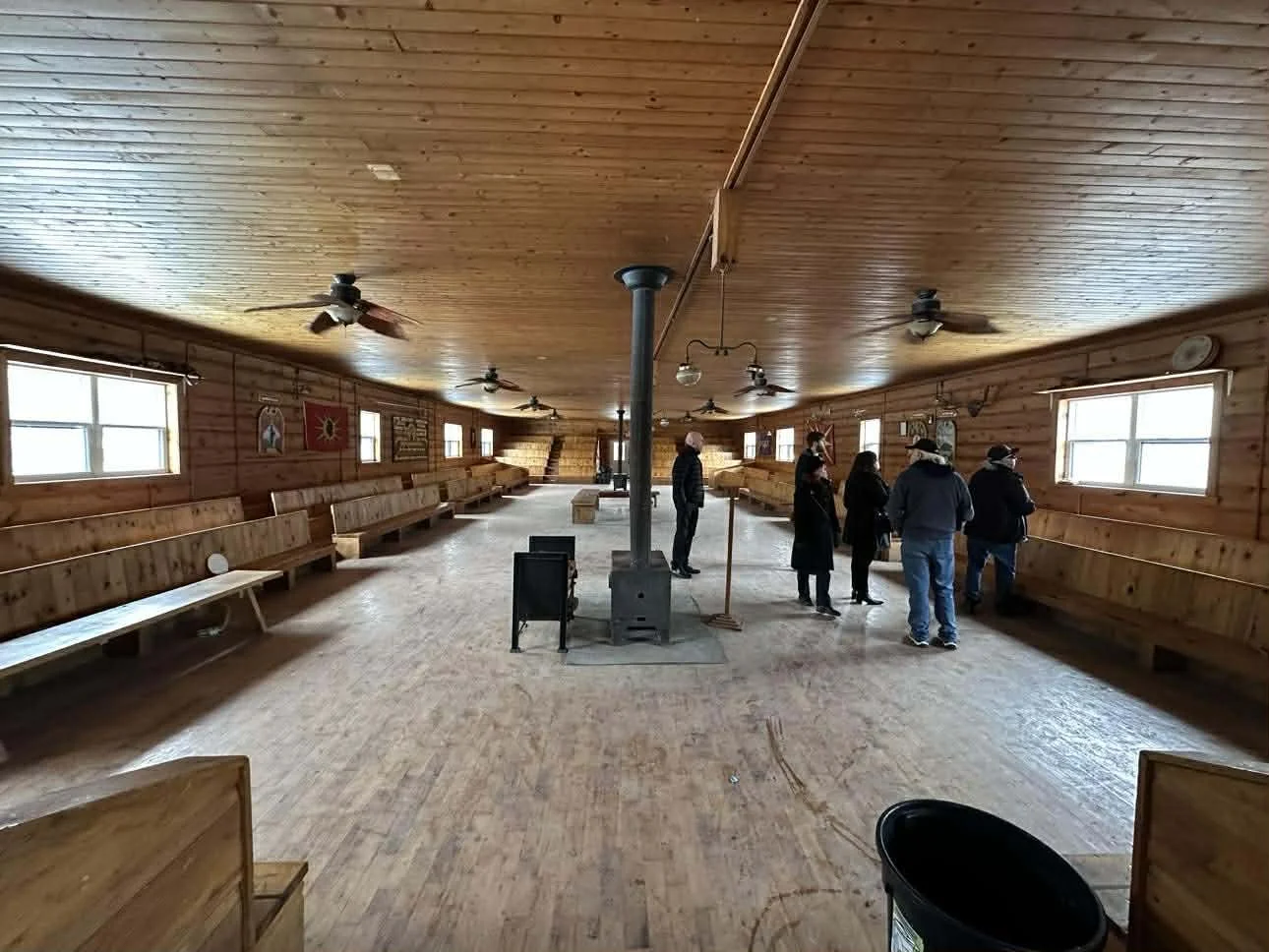
Community Leads: Haana Edenshaw, Kirby Muldoe
Team: Sheryl Lightfoot, Jennifer Preston, Jeremy Patzer, Gudrun Ros Arnadottir, Rachel Singleton Polster
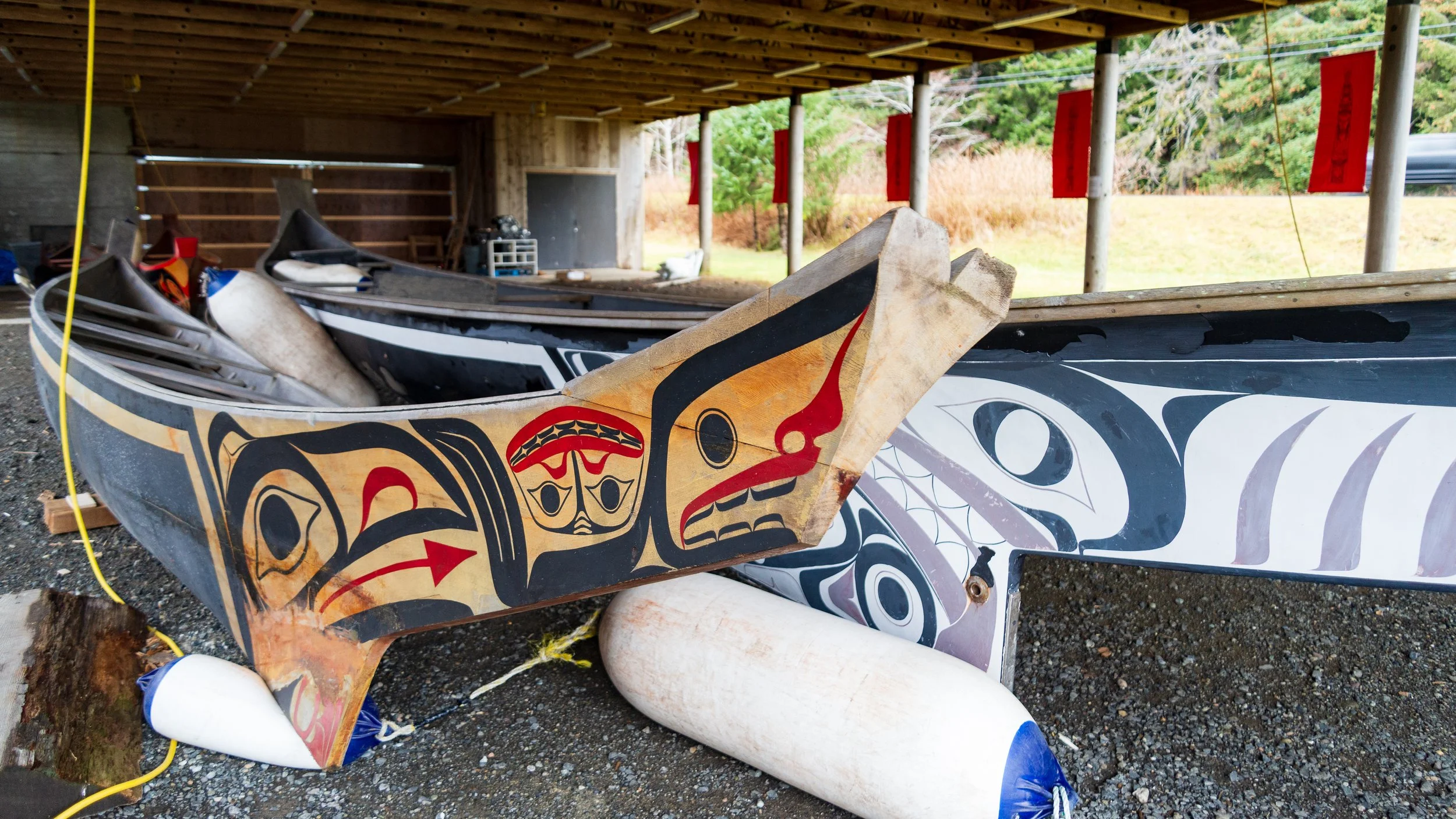
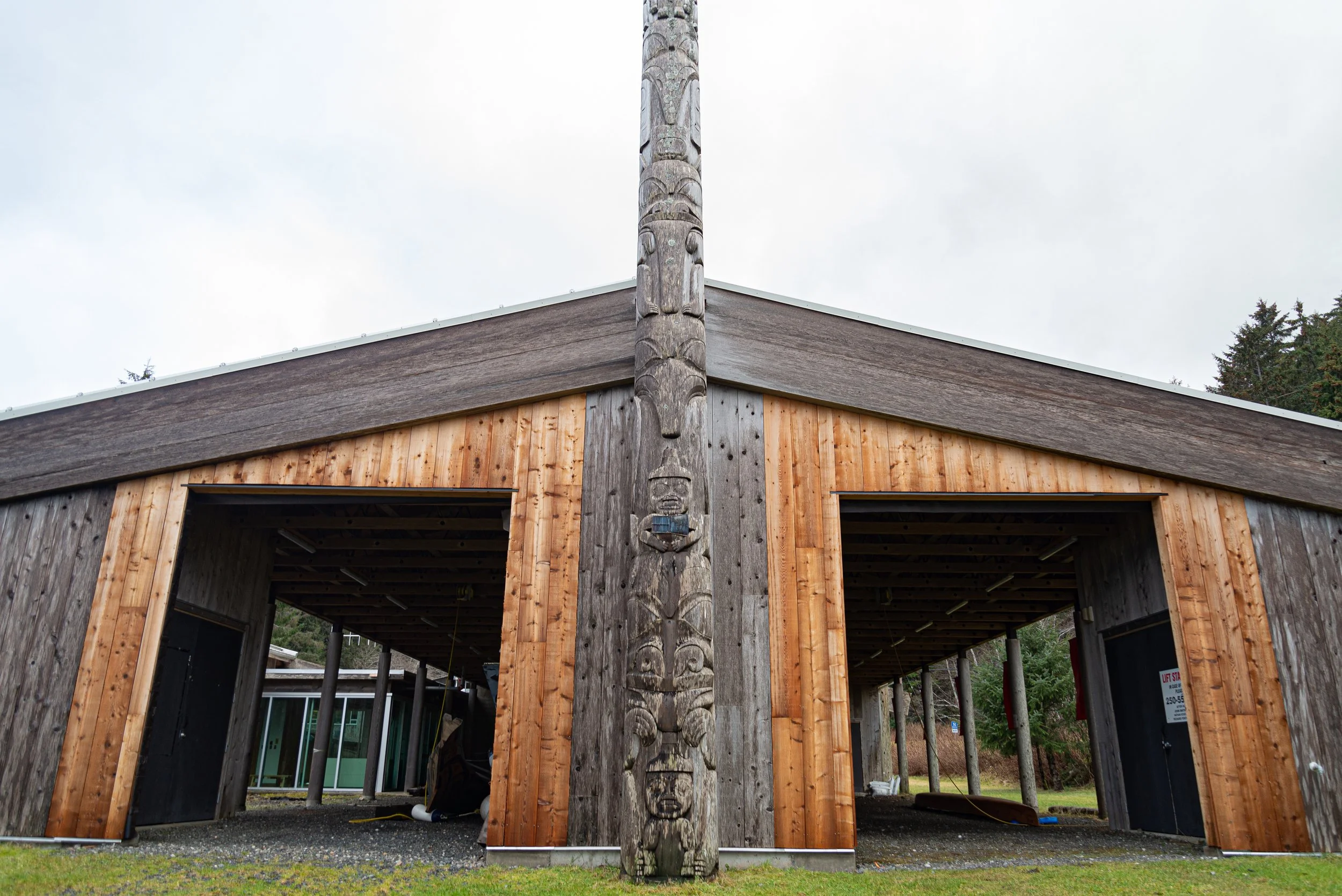
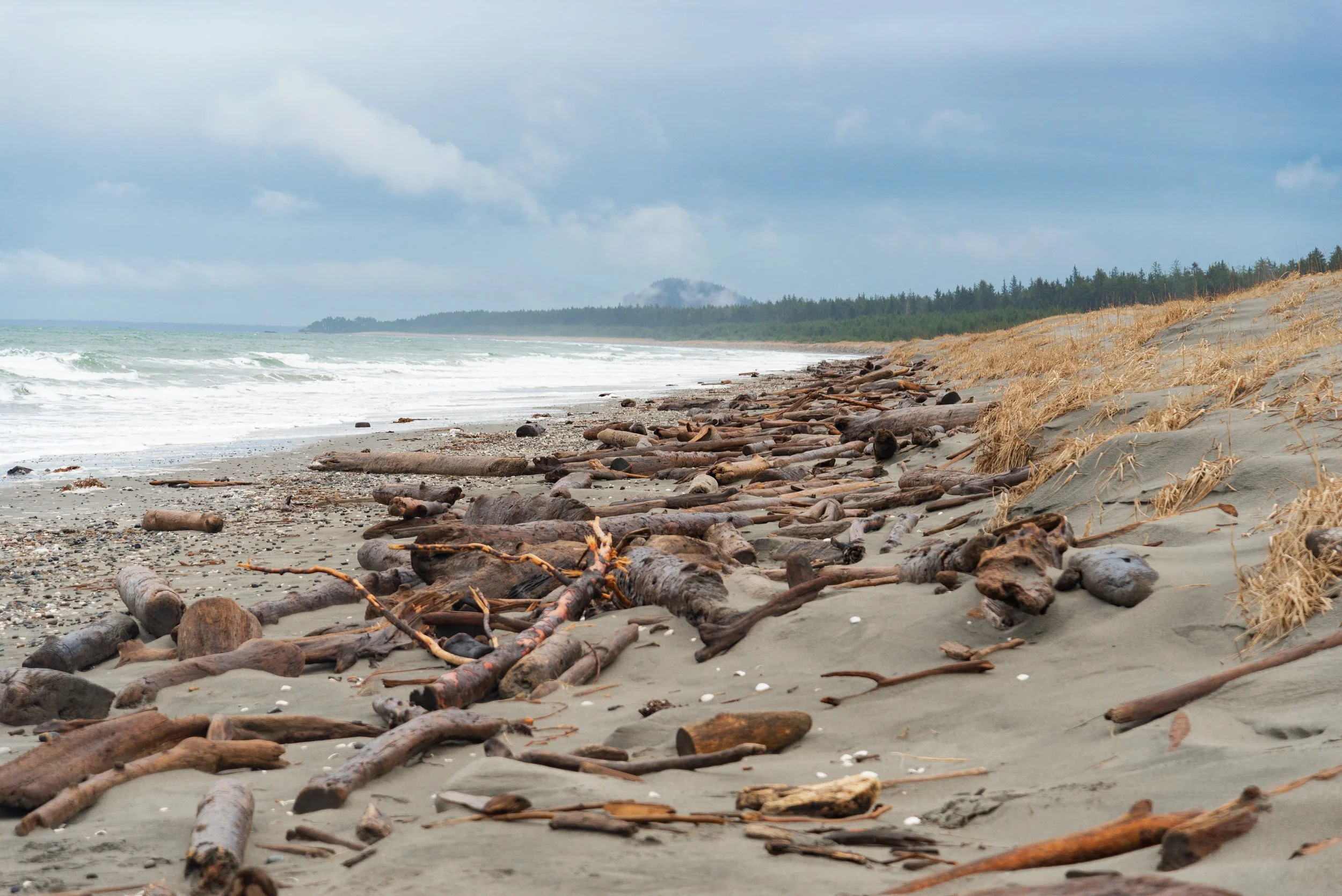
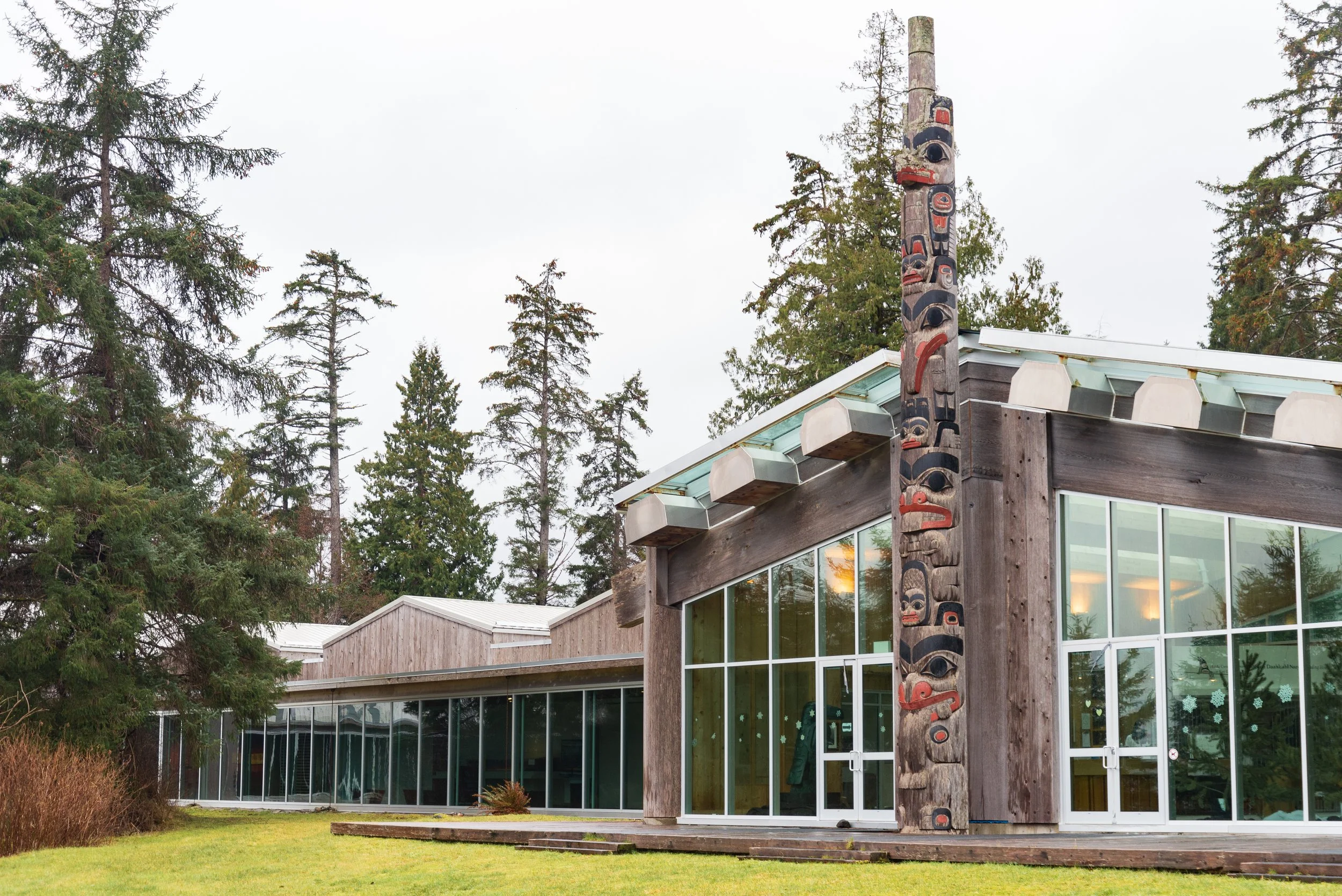
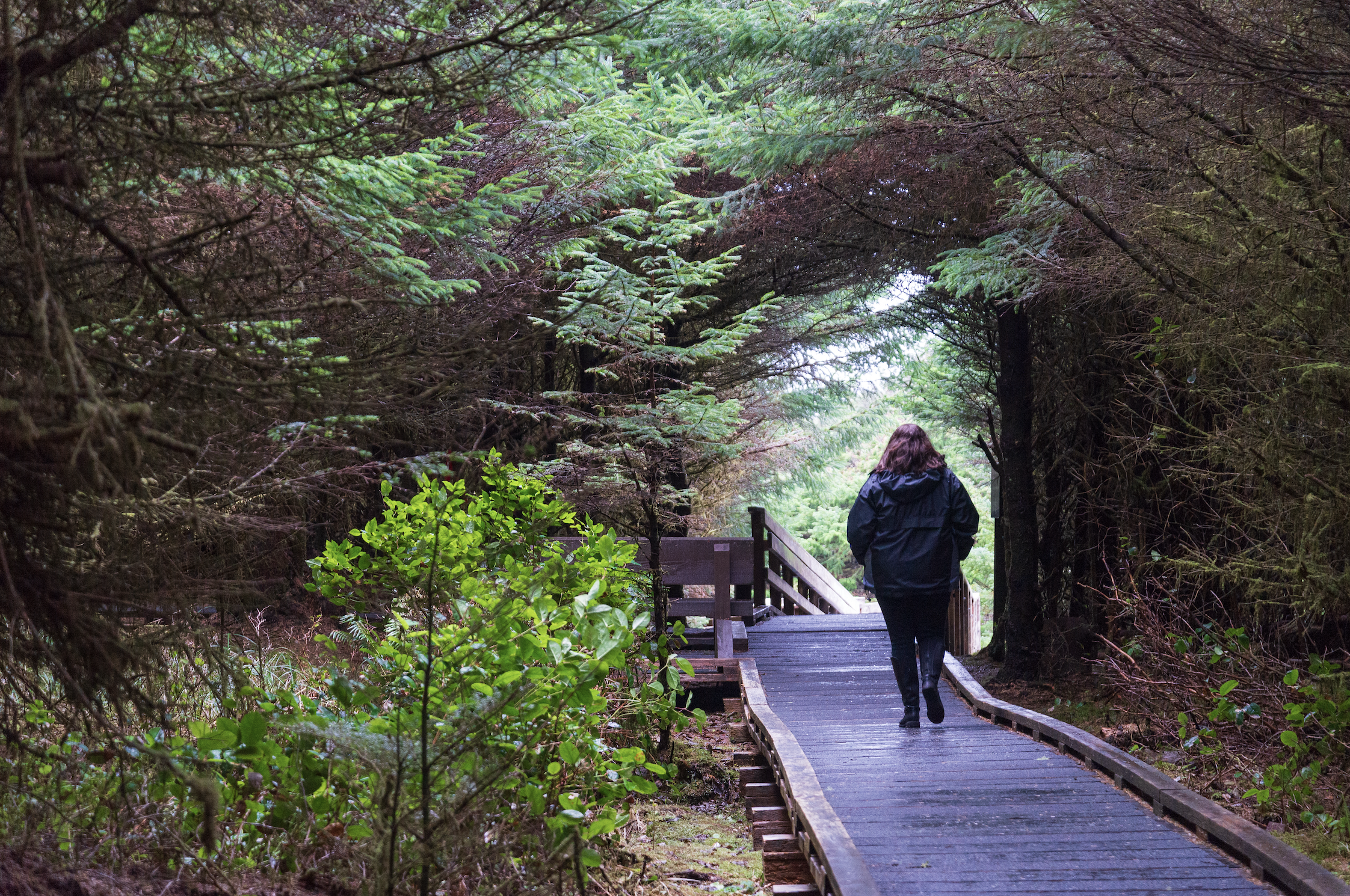
Our first engagement was on Haida Gwaii in January 2023 where we met with Haida activists, lawyers and educators, Haida Elders and Chiefs, representatives from the Council of the Haida Nation, and civil servants working on Haida Gwaii. Community members across Haida Gwaii expressed how the rights affirmed in the Declaration are in large part actively exercised on Haida Gwaii. They demonstrated, with examples, how the Haida Nation and Haida Gwaii as a whole are an example of implementation of the Declaration in accordance with Haida ways of being and laws. In many cases, interviewees didn’t refer directly to the Declaration, but demonstrated how they exercised self-determination; self-governance; and cultural rights through the examples that they provided.
Kahnawake (March 20, 2023) and Kanehsatà:ke (March 21, 2023)
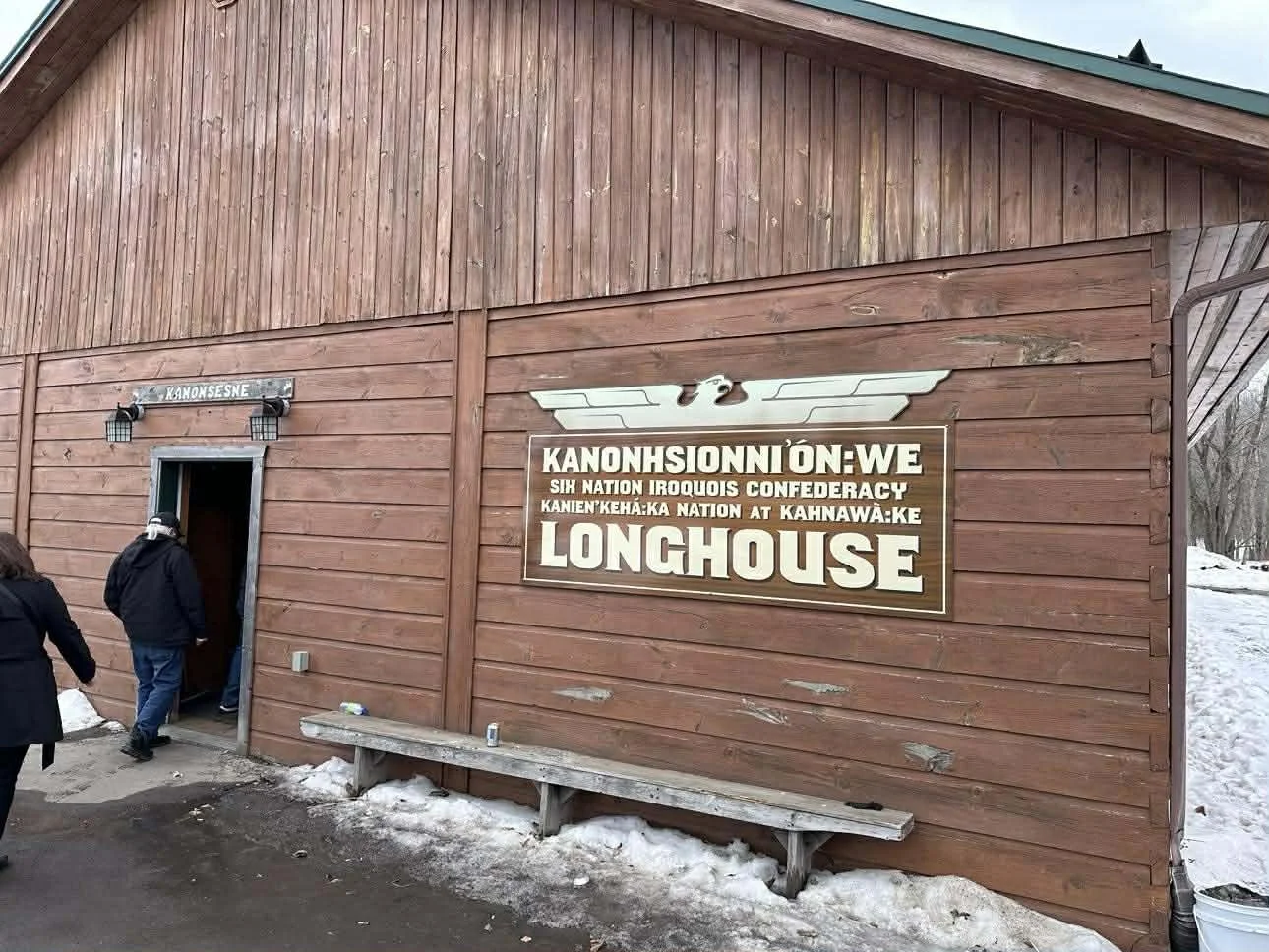
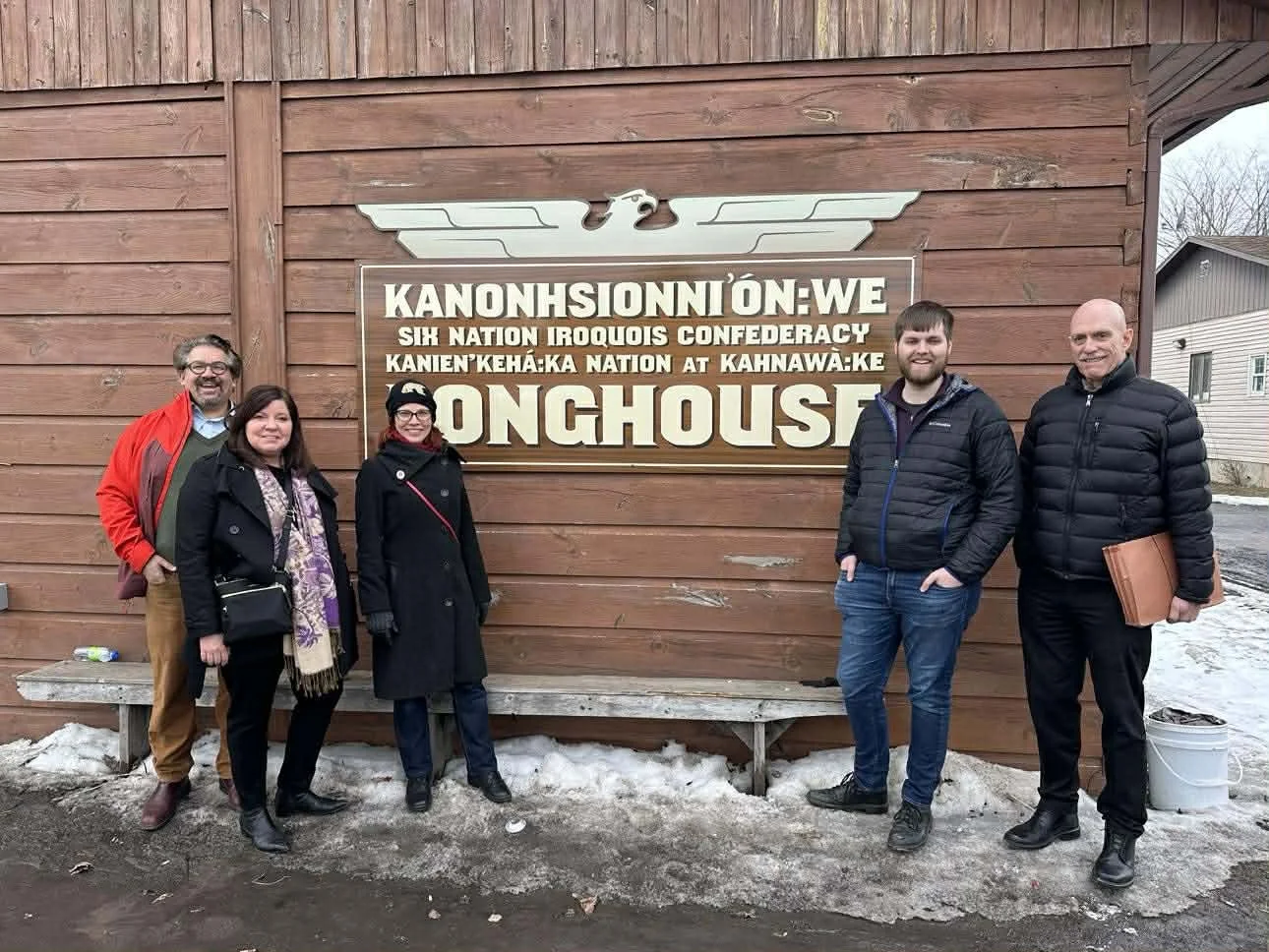

Kahnawake Community Lead: Kenneth Deer
Kanehsatà:ke Community Lead: Ellen Gabriel
Team: Sheryl Lightfoot, Rauna Kuokkanen, David MacDonald, Paul Joffe, Karine Gentelet, Jeremy Vander Hoek
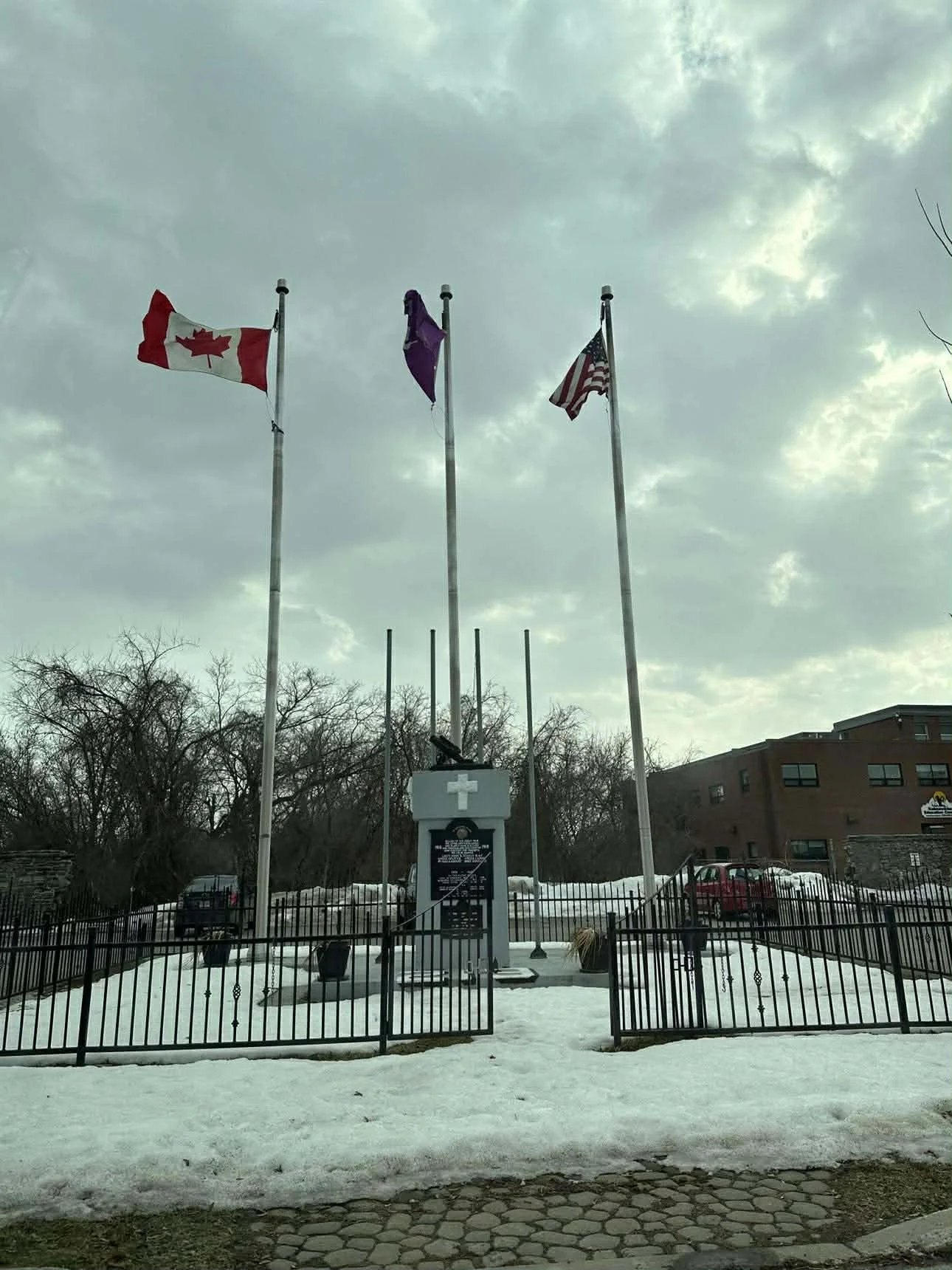
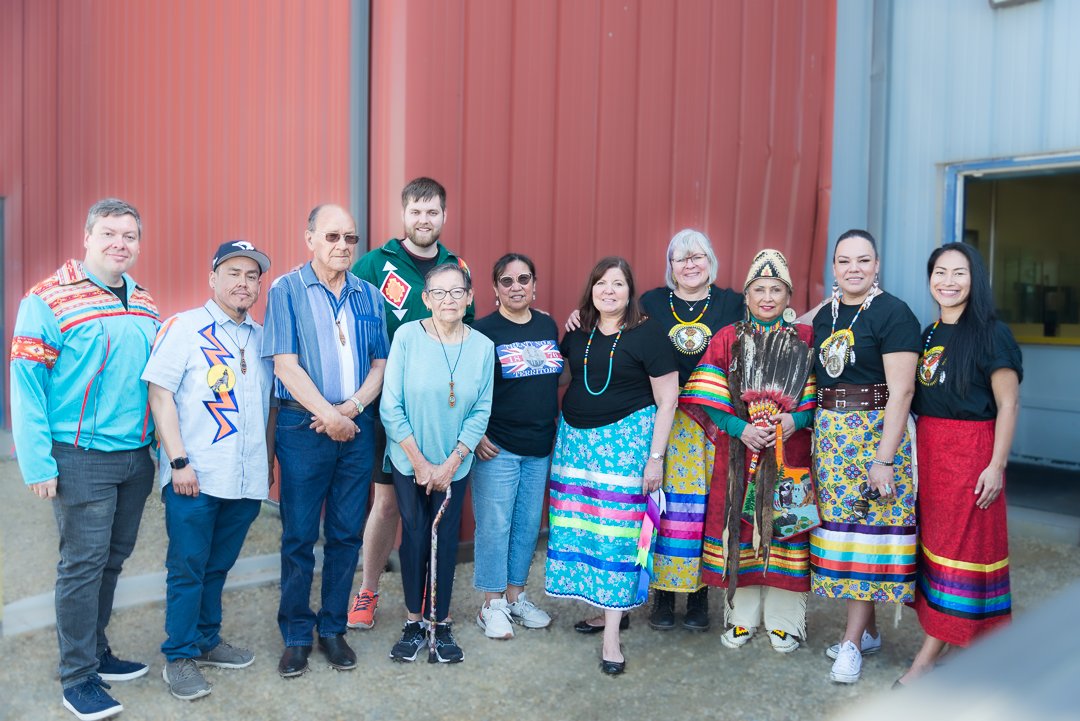
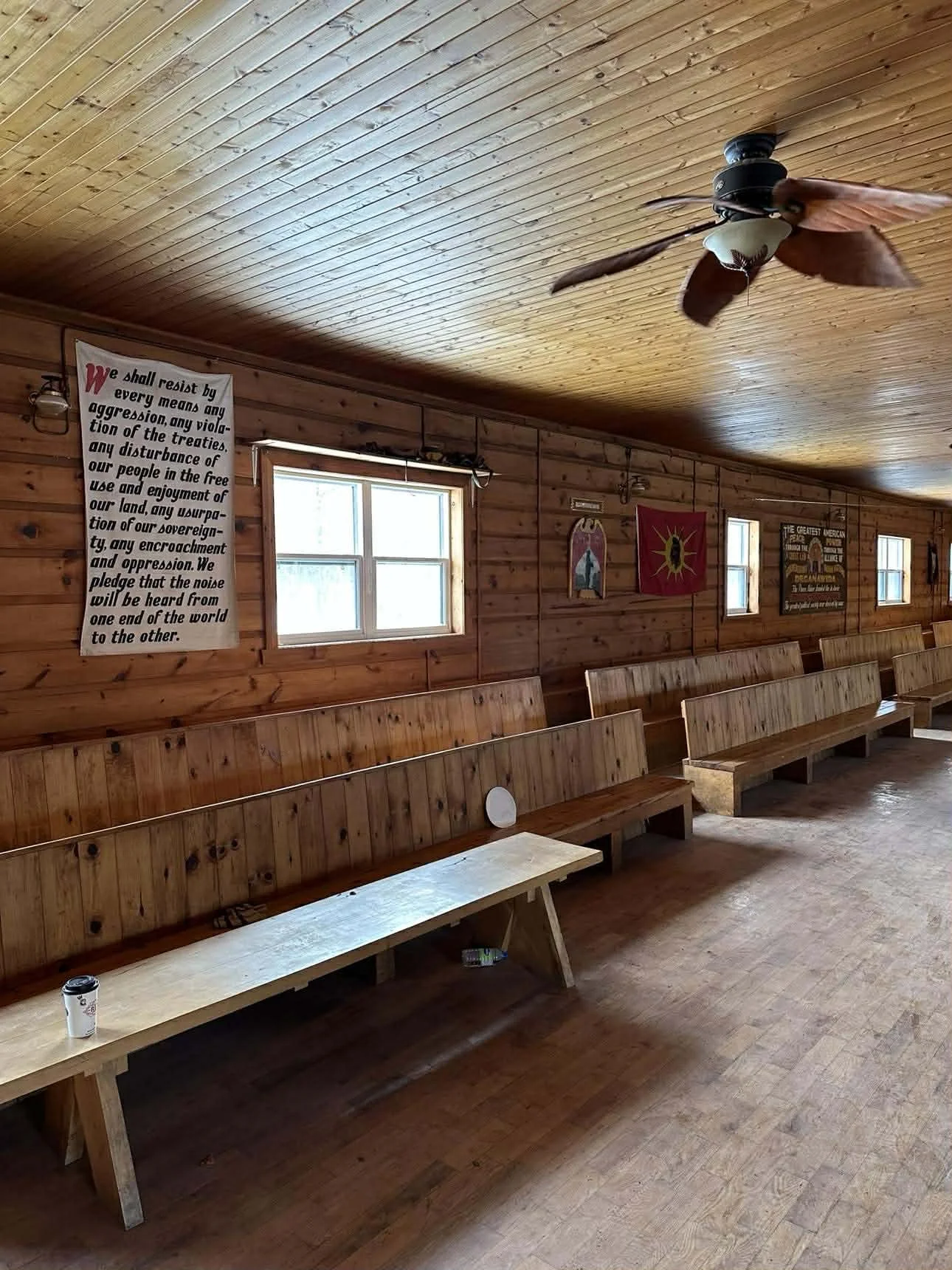
For our research engagement in Kahnawake in March 2023, we spent the day with long time human rights advocates and education leaders. Community members in Kahnawake expressed support for the Declaration and were eager to discuss how it could be operationalized in the community. Interpreting the Declaration through their ways of knowing was a major focus of our conversation. Education was also emphasized as a space to bring forth this interpretation and develop local investment in the Declaration. Students in Kahnawake are eager to learn more about international efforts at advancing Indigenous Peoples’ human rights.
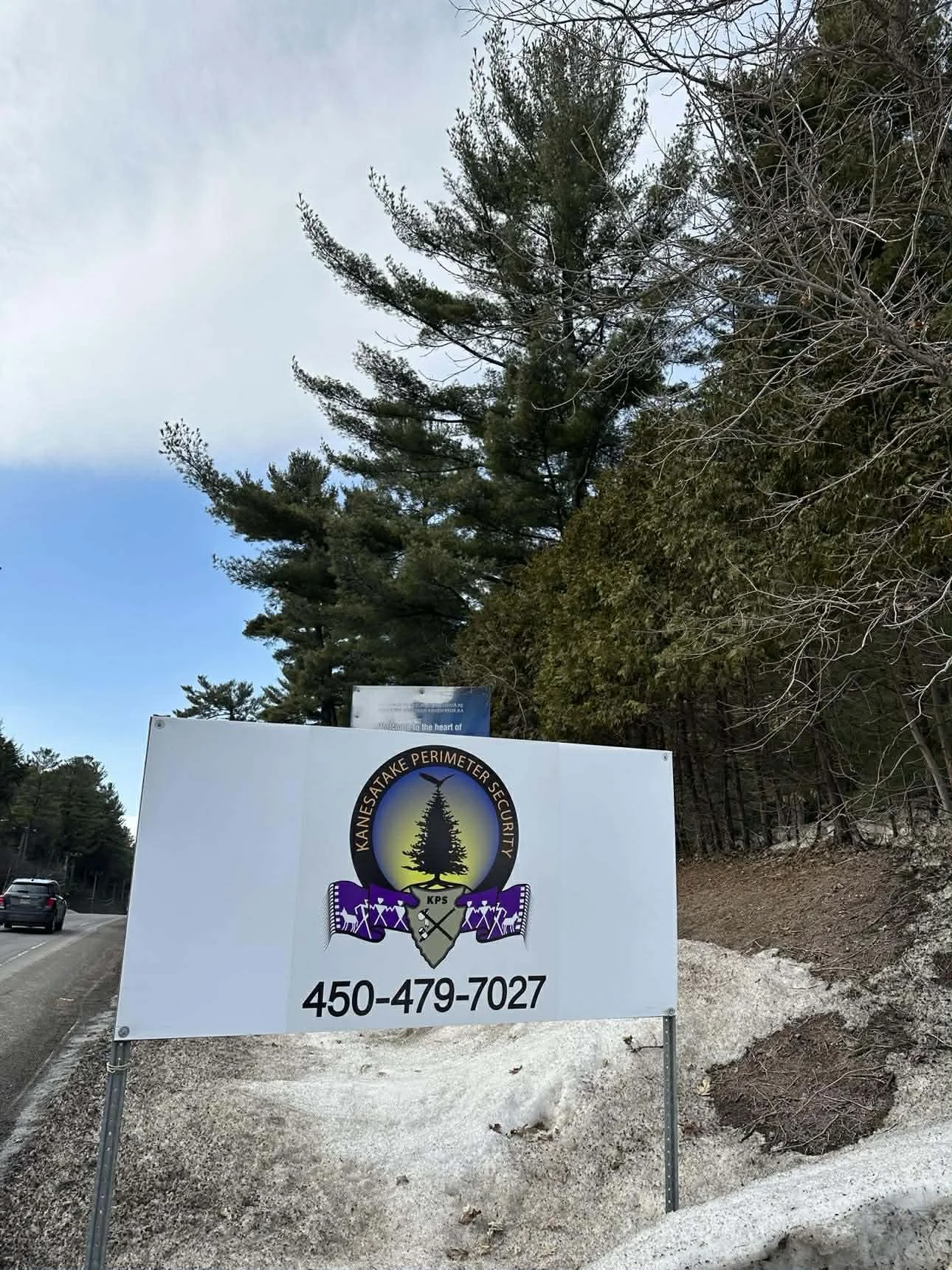
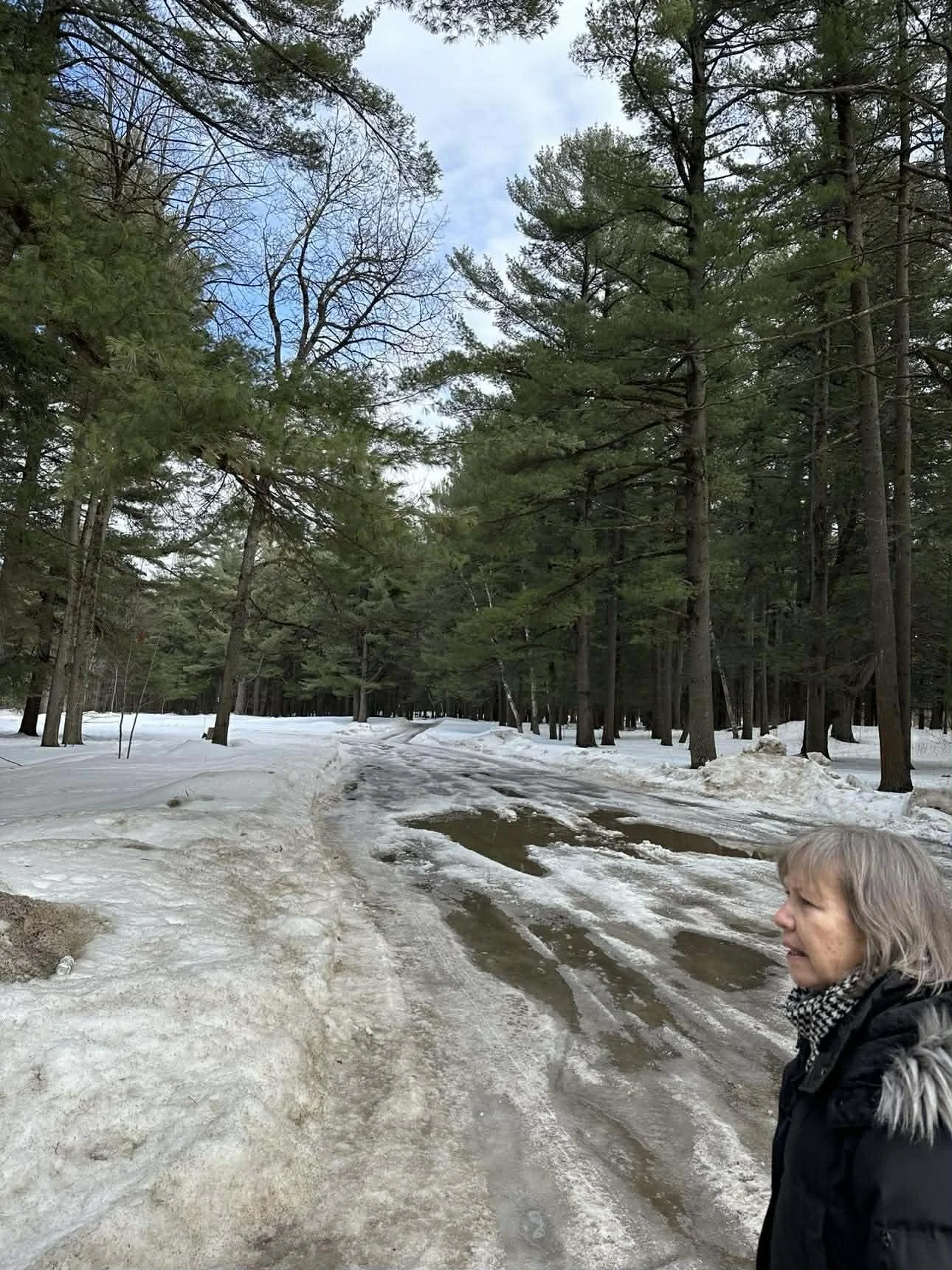
Our next engagement was the next day in Kanehsatà:ke. This conversation included community members and leaders from a variety of backgrounds including social work, human rights activism, former military, and others. Community members discussed several challenges facing Kanehsatà:ke. Although these include challenges born of the 1990 siege, they stretch back to colonialism and continue to impact the community today. The imposition of the colonial band council system and the corruption present there today is particularly challenging. They also articulated multiple overlapping violations of the Declaration. Infringements of the right to security, the right to self-determination, the right to lands and territories, and more were all mentioned.
Samson Cree Nation (May 3–5, 2023)
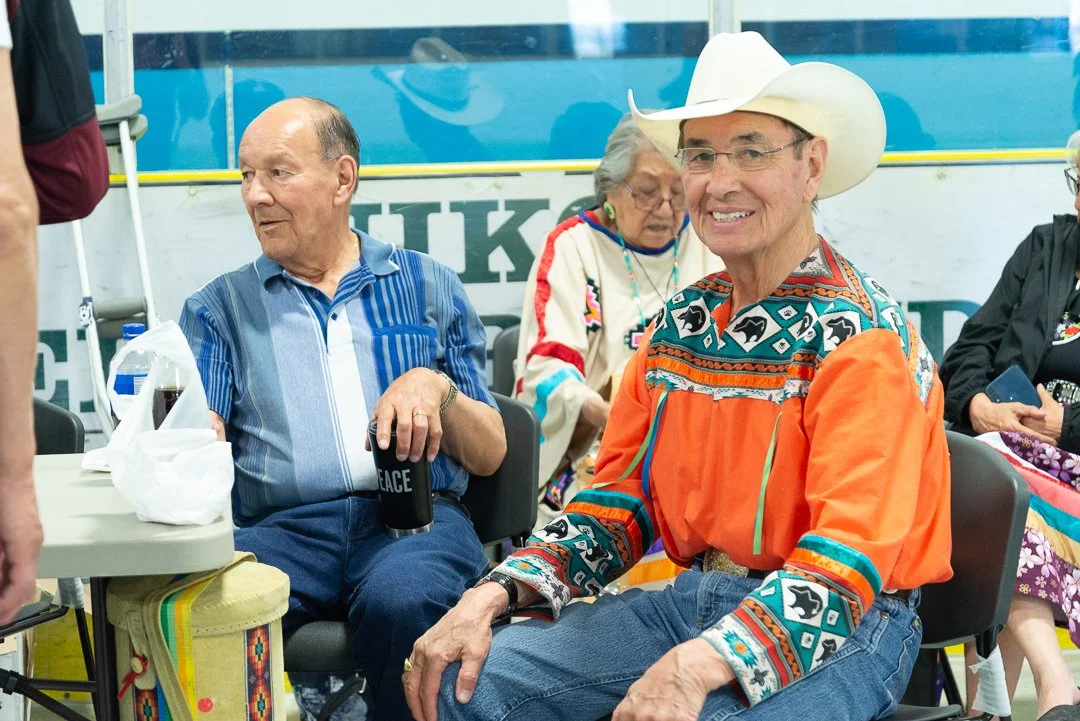
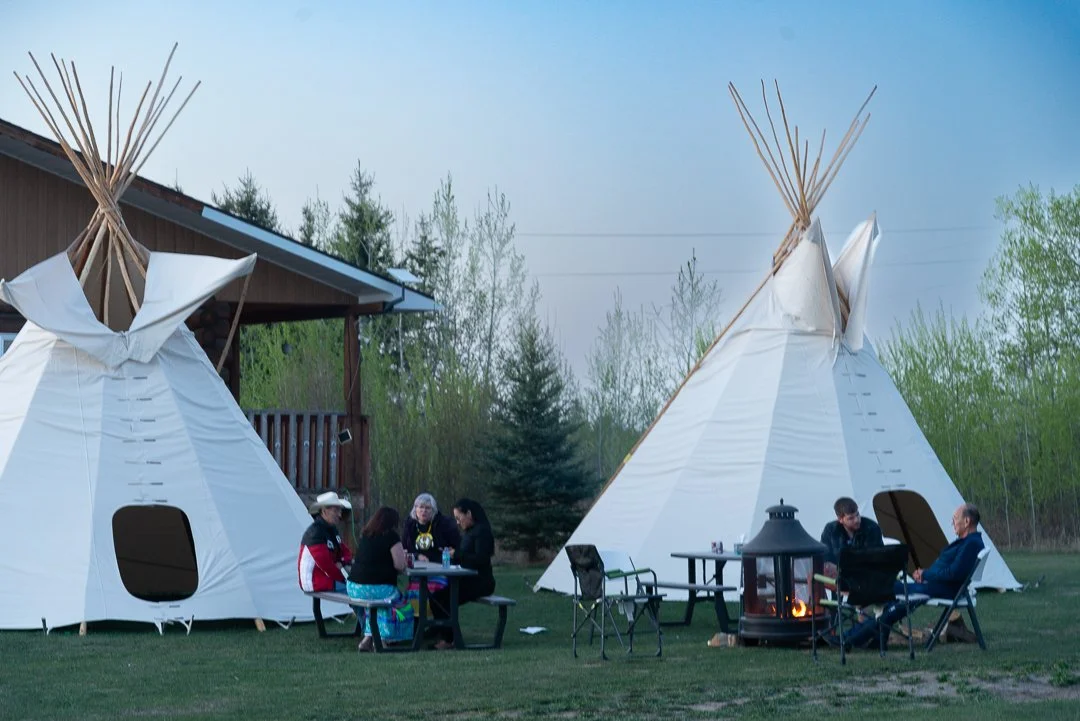
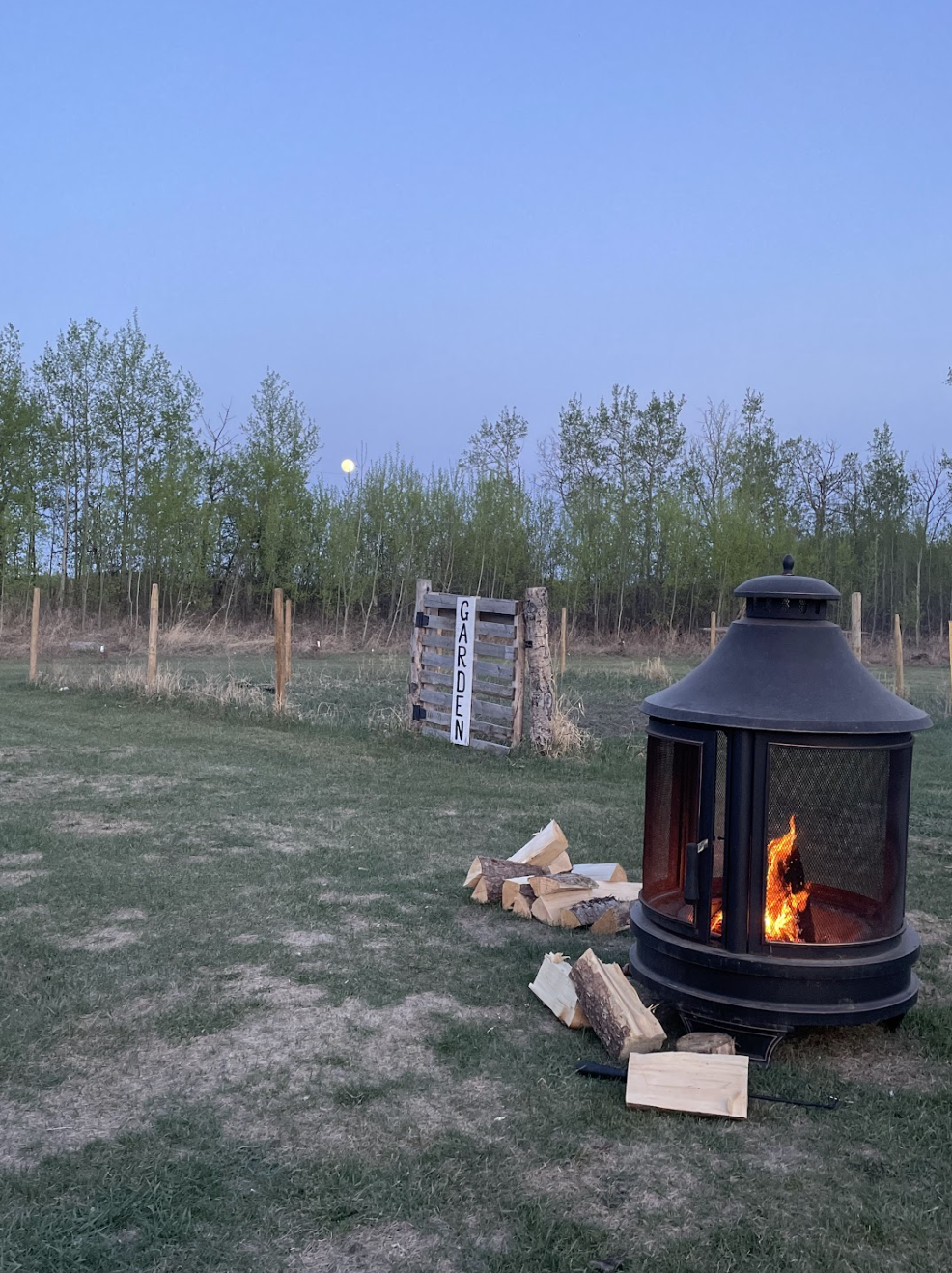
Community Lead: Laurie Buffalo
Team: Sheryl Lightfoot, Jennifer Preston, Jeremy Patzer, Sashia Leung, Jeremy Vander Hoek
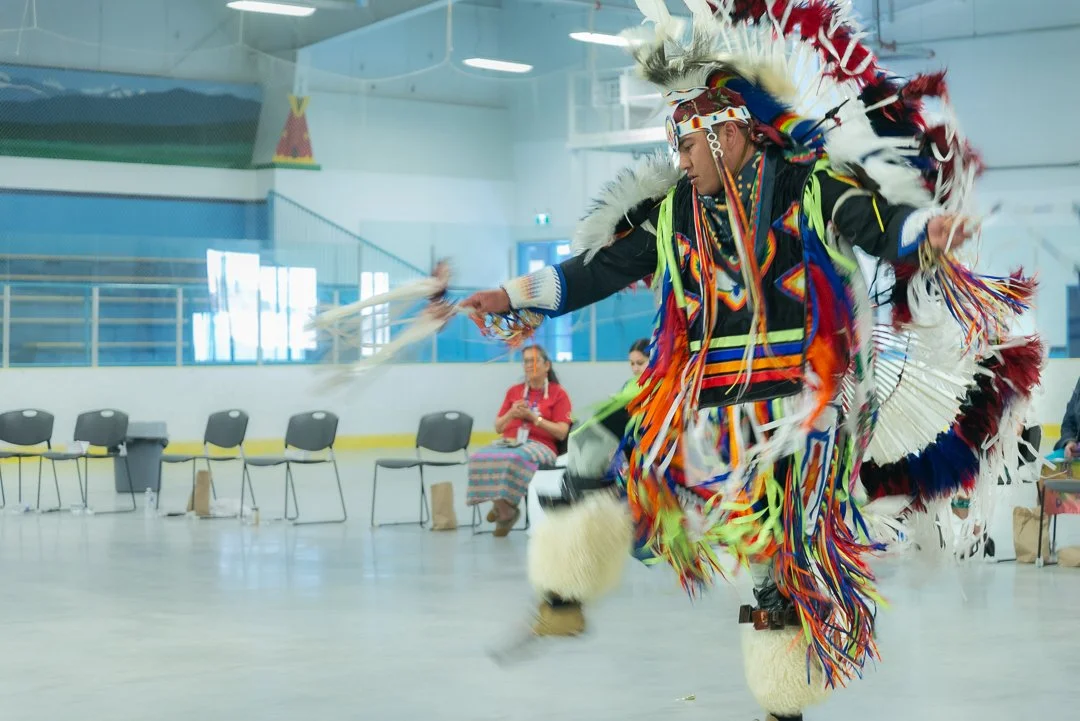
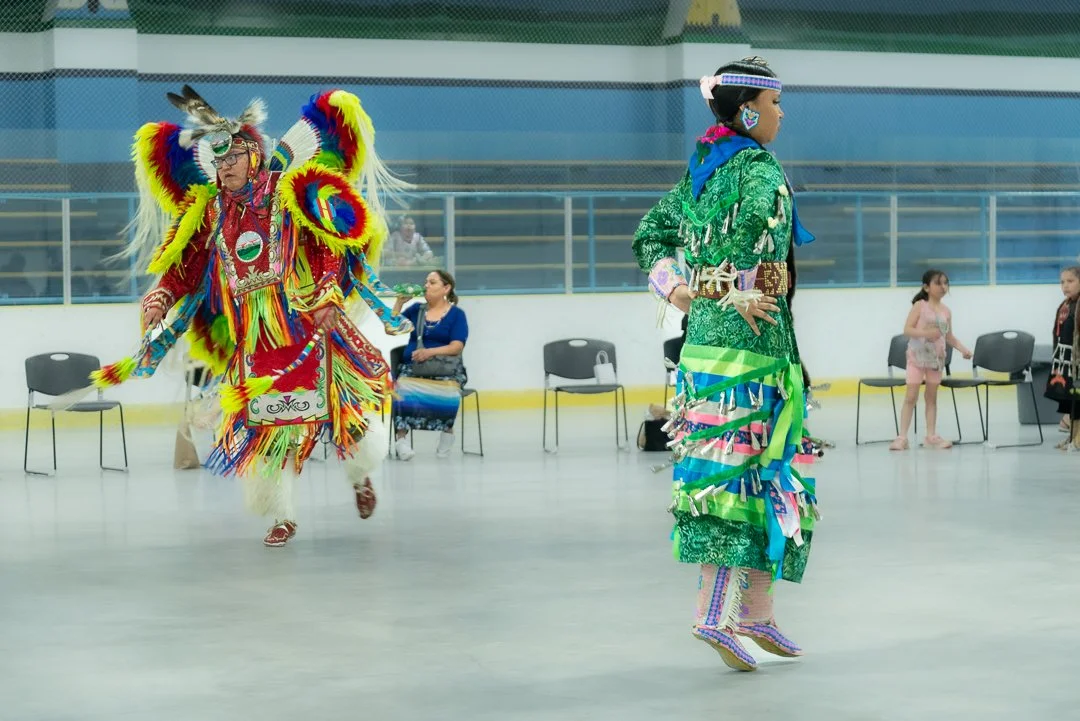
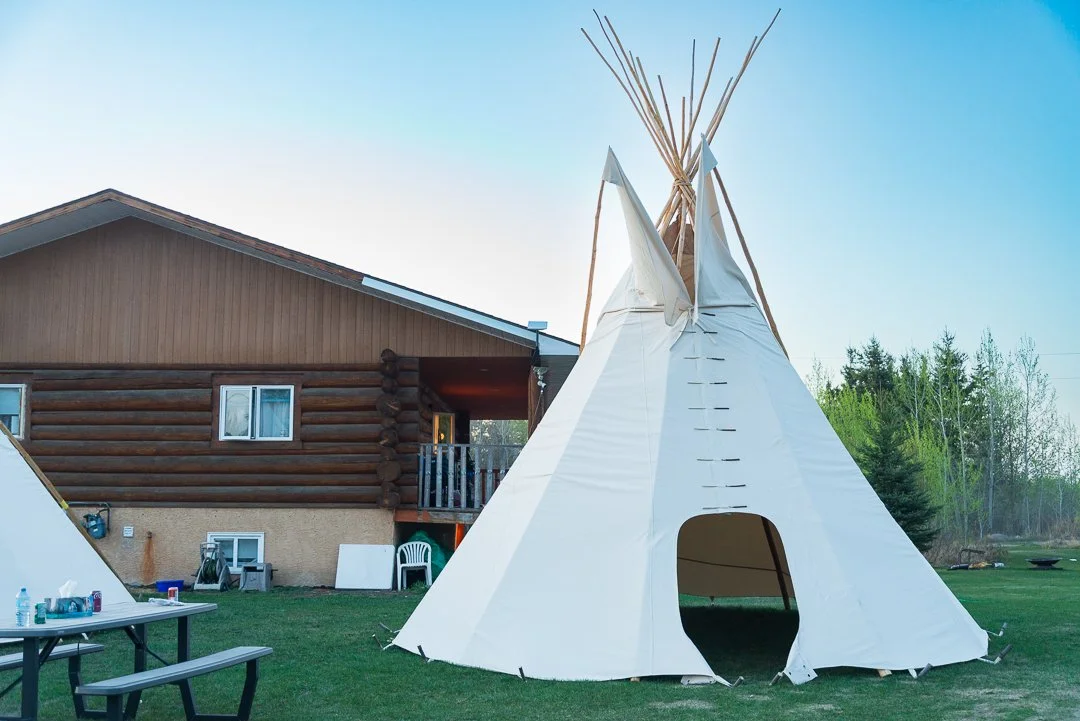
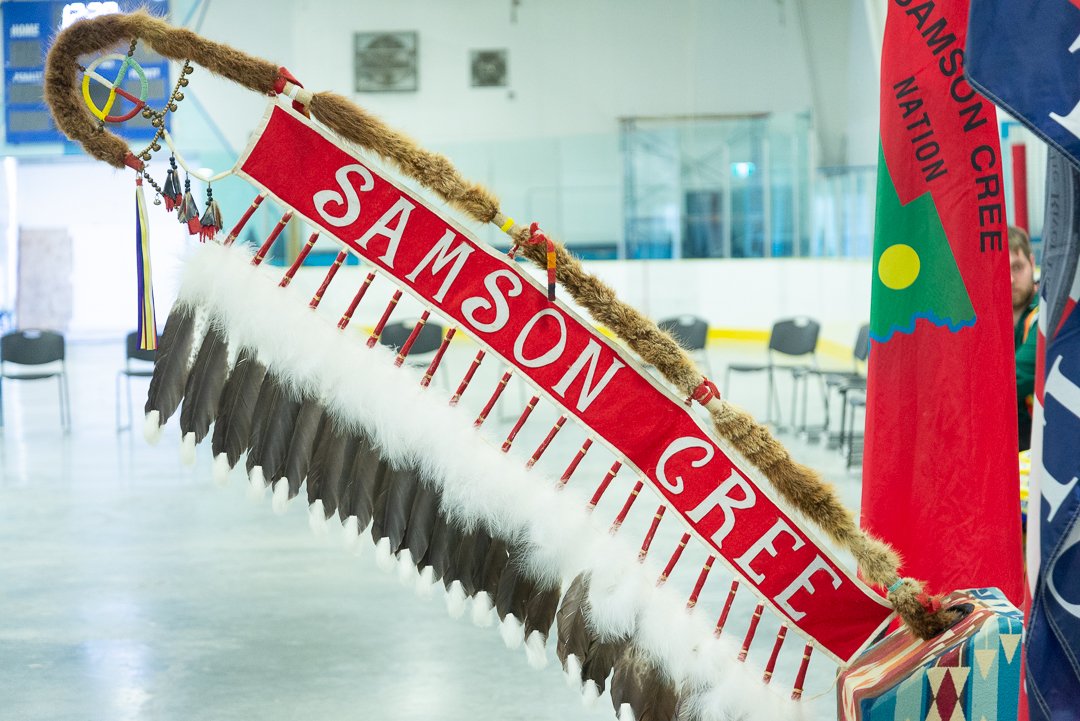
In May 2023 our team spent three days in Samson Cree Nation. We participated in individual interviews, group interviews, and larger engagements with elders, youth, former and current members of council, human rights activists, a law school student, and others. At the invitation of our community lead and other leaders in the community, we were also invited into ceremony. This included a pipe ceremony and a mini powwow. Both experiences were an integral part of grounding our conversations.
Engagement Findings
Challenges to Implementation
State Inaction as a Barrier to Implementation
Settler states like Canada have a major role to play in implementing the United Nations Declaration on the Rights of Indigenous Peoples. In conversations with engagement participants, many shared that the consequences of state inaction have impeded their efforts at pursuing implementation in community. In addition, they listed several priorities for states to take action on implementation. Land rights including the right to free, prior, and informed consent were primary examples. Control of membership and the removal of the colonial Indian Act system were also mentioned.
Rights affirmed in the UN Declaration articles 3, 19, 33.
Security
In one community, participants shared that the lack of any guarantee of basic security led many of those who were eager to pursue Indigenous Peoples’ human rights implementation demoralized. In this context, significant criminal activity has been tolerated by the police and has resulted in even greater disincentives to pursue change. When pressed to address these challenges, governments have blamed overlapping jurisdiction and political complexity as excuses. This inaction is a direct violation of the UN Declaration, not only as an infringement of individual Indigenous community members’ rights, but also as an infringement of the community’s collective rights as Indigenous Peoples.
Rights affirmed in the UN Declaration articles 7.1, 7.2.
Recommendations for the Network:
The Network should take steps to hold government to account with regards to their obligations under the UN Declaration, including but not limited to an expert critical analysis of the UN Declaration Act's National Action Plan 2023-2028.
Criticism and continued advocacy in partnership with Indigenous communities should extend both to the federal government and to provincial governments.
Community Implementation vs. State Action
When asked about implementation of the UN Declaration, participants in nearly every engagement shared two distinct types of implementation action. The first was related to action taken by settler states to fulfill their obligation in accordance with the UN Declaration. The second was action that could be taken by Indigenous Peoples themselves to implement the UN Declaration.
Calls from participants to implement the UN Declaration in community often recognized that settler state governments could not be relied upon to do implementation alone. Exploring the ways in which Indigenous nations can implement not only allows for enactment of that nation’s ways of knowing and being, but also ensures sustained action in the face of deeply inconsistent state engagement. Participants advocated strongly for a proactive assertion of their rights and an expansive understanding of implementation. As one participant noted, every article of the UN Declaration is essential, the intentions in the text are essential for our advocacy. What this looks like will vary widely based on each community’s language, culture, spirituality, laws, institutions, and traditional knowledge.
Recommendations for the Network:
The Network should develop and share ways to operationalize the UN Declaration as a tool to support the ongoing efforts of Indigenous Peoples pursuing efforts at asserting Indigenous Peoples’ human rights.
The Network should create and maintain a database of examples of implementation in communities as a resource for others.
These resources should not only be open to but also actively encourage the incorporation of Indigenous nations’ culture, ways of knowing and being, and language into efforts at implementation.
Intergenerational Engagement
Throughout our engagements, we heard from several community members in multiple contexts that implementation of the UN Declaration and the human rights of Indigenous Peoples must be intergenerational. Not only that it must be accessible to young people, but also that the concerns of Elders are addressed directly and in relationship. Furthermore, this call for intergenerational engagement was not made in a vacuum. As described earlier in this report, participants in our research engagements repeatedly reflected on their hopes for or examples of implementation taking place directly in the community. In contrast to implementation resulting from settler government action, implementation of the UN Declaration in community includes Indigenous-led efforts to advance their human rights.
Rights affirmed in the UN Declaration articles 14.1, 22.1.
Recommendations for the Network:
The Network should work to develop UN Declaration education resources aimed at students of all ages.
These resources and tools should be flexible, nimble and developed in such a way as to incorporate room for an Indigenous nation’s specific cultural knowledge to be integrated into the learning.
Any effort the Network takes to promote opportunities to implement the UN Declarationin community must first include reflection on the inclusion of elders in their development and enactment.